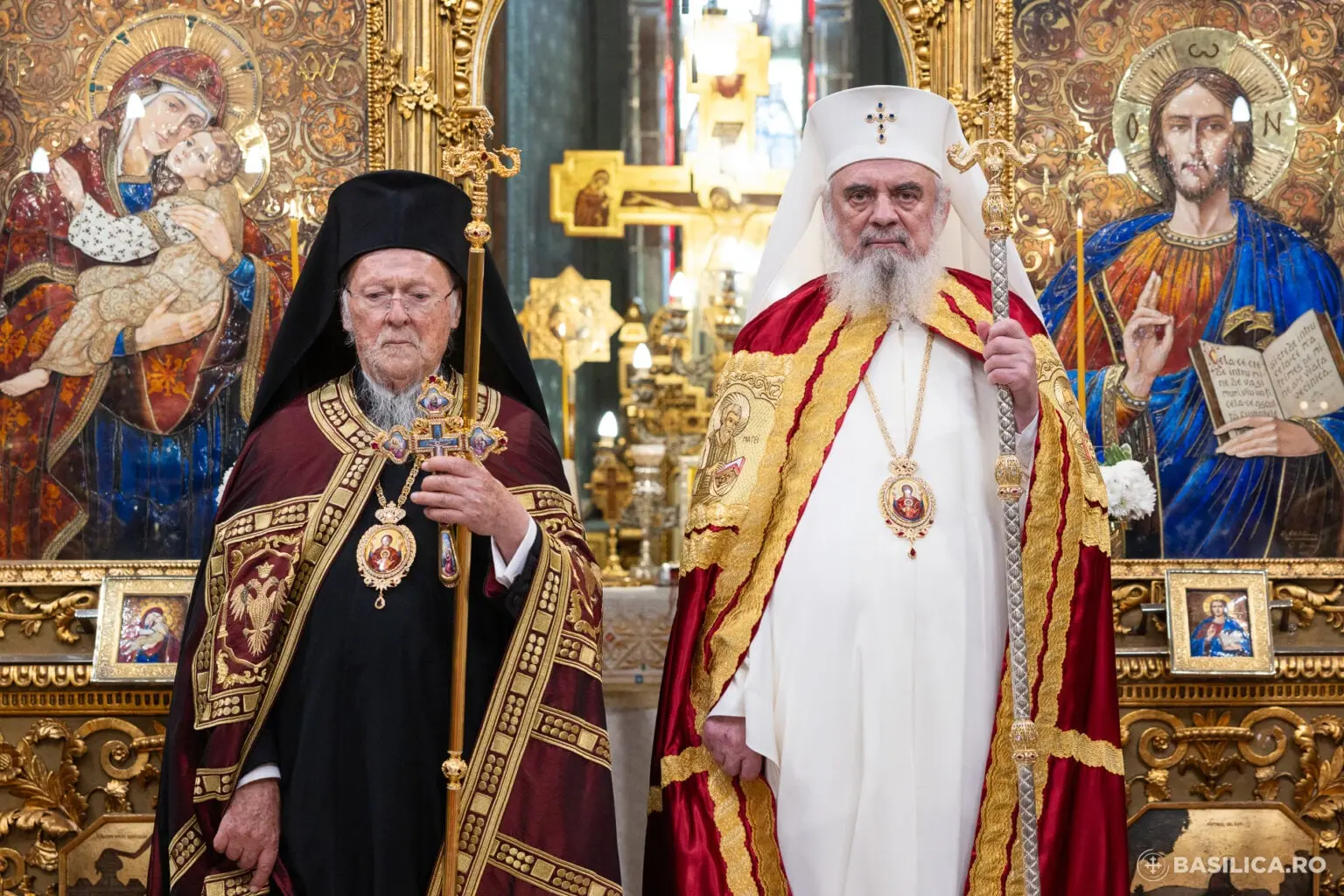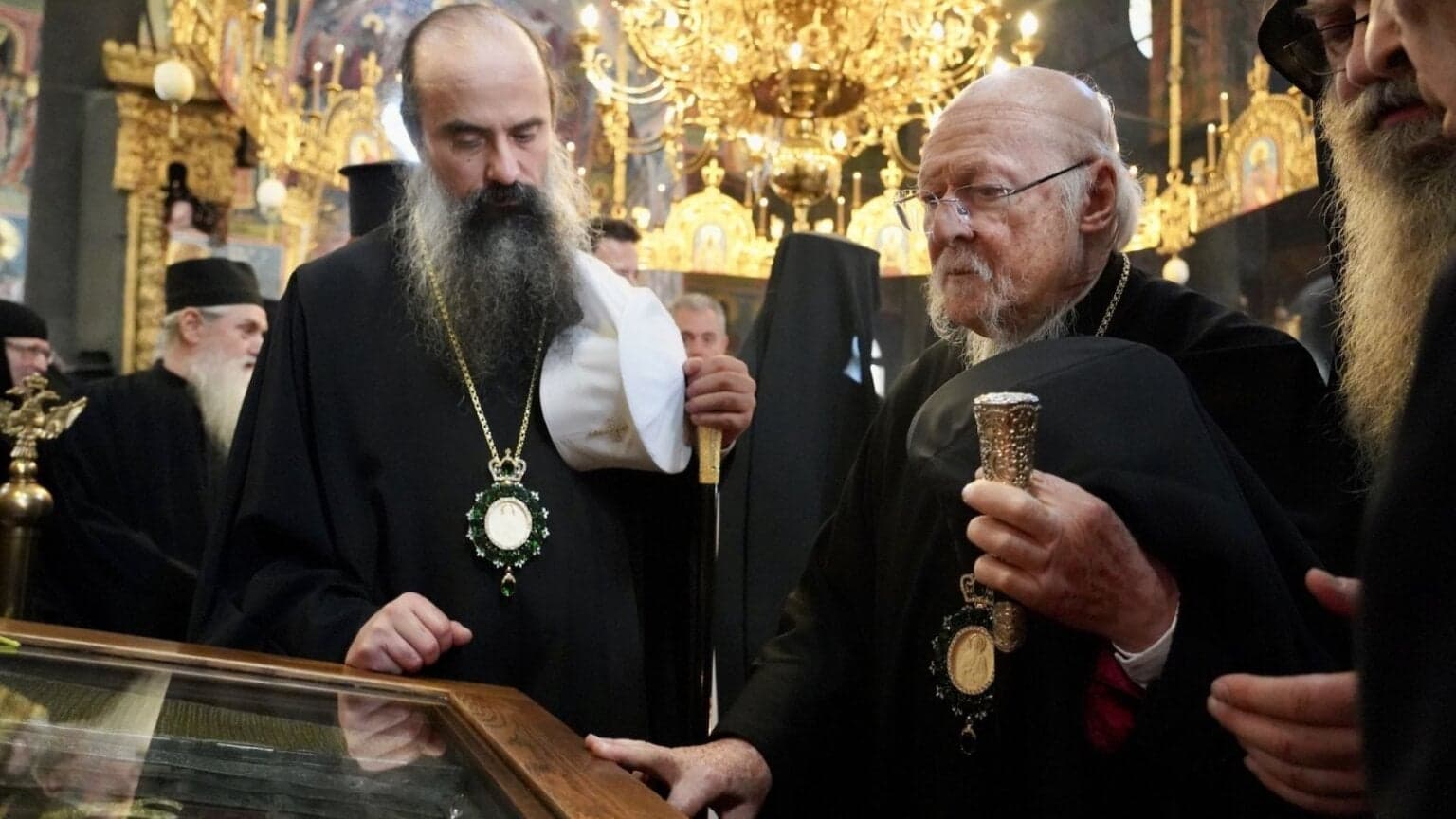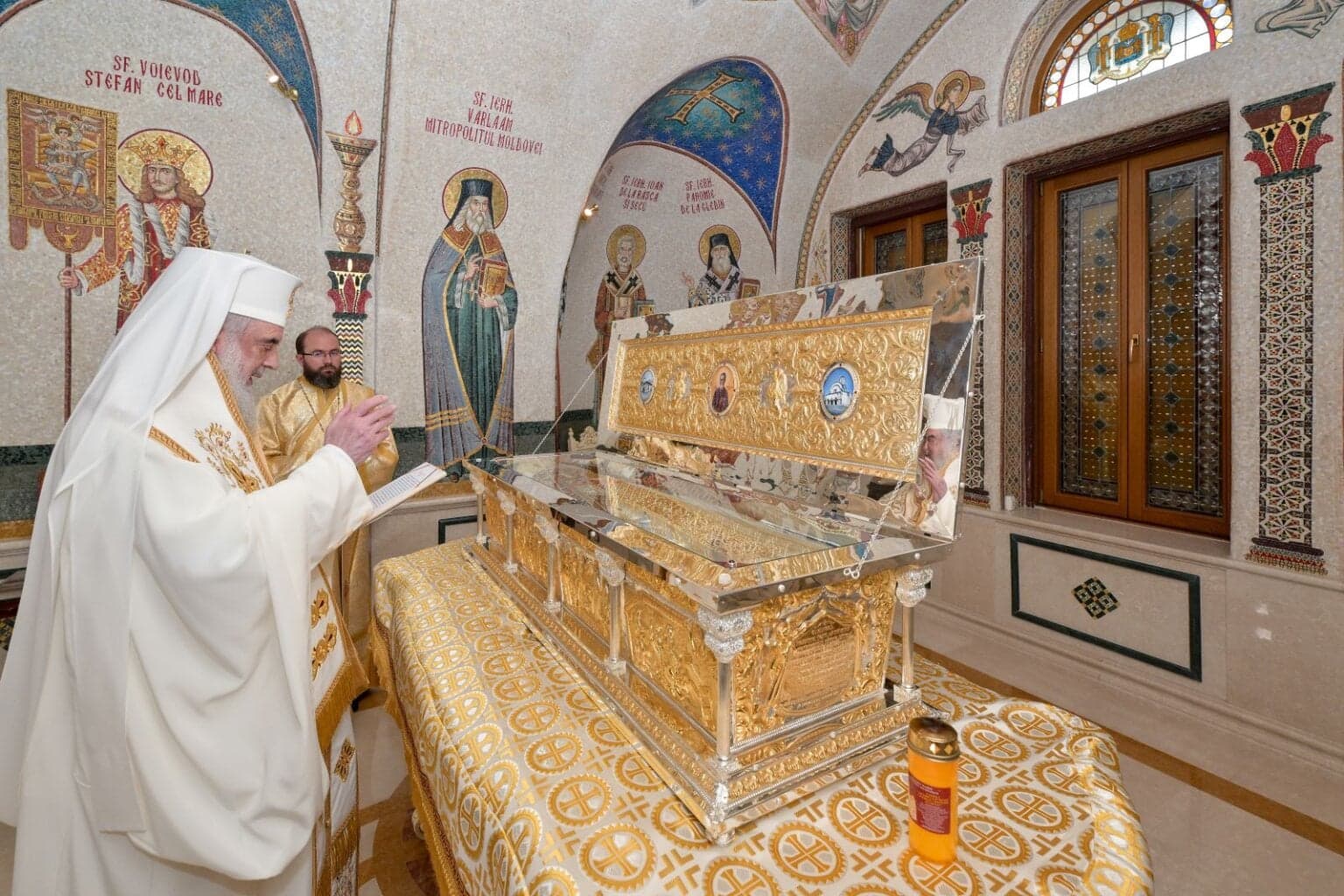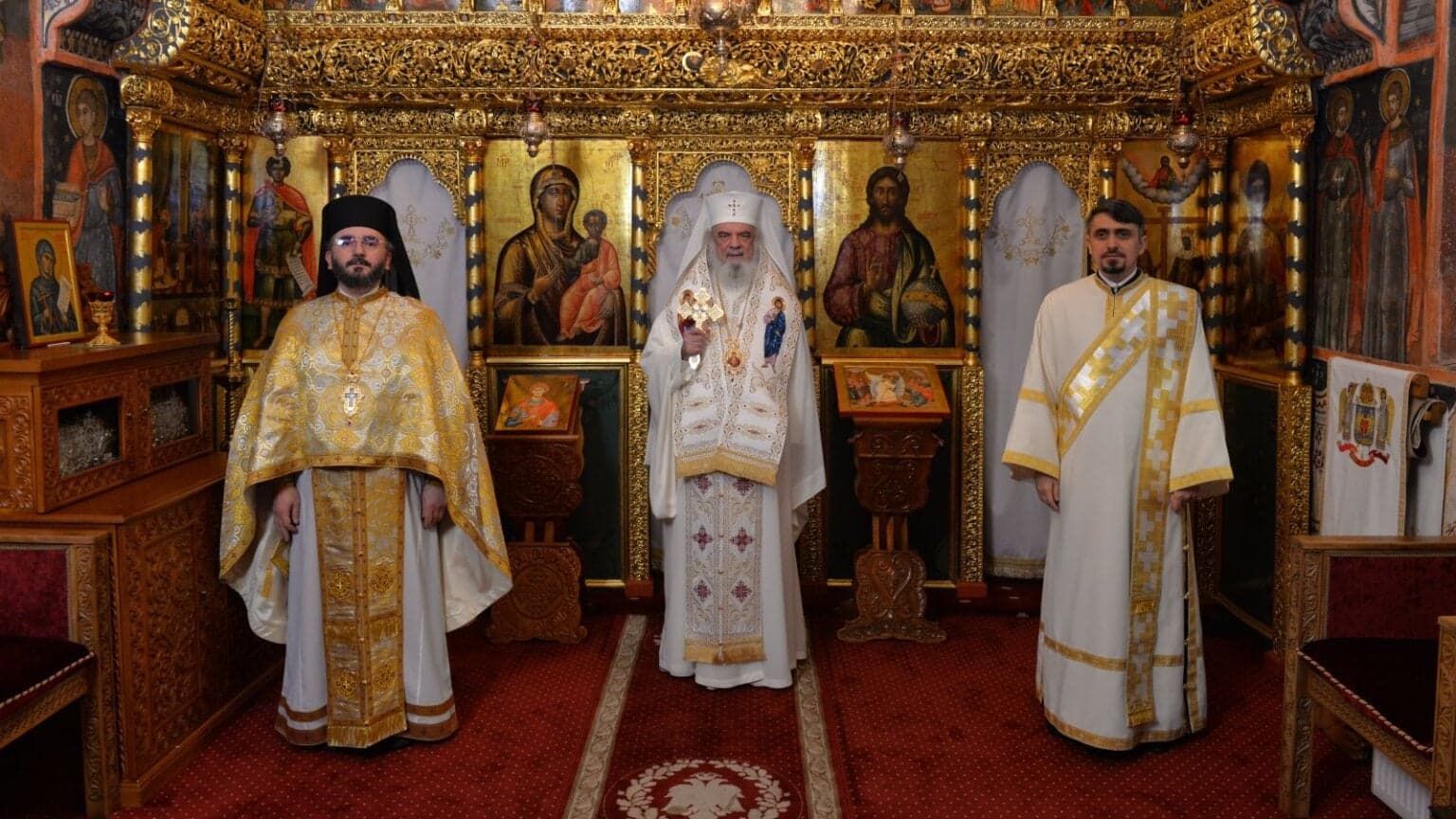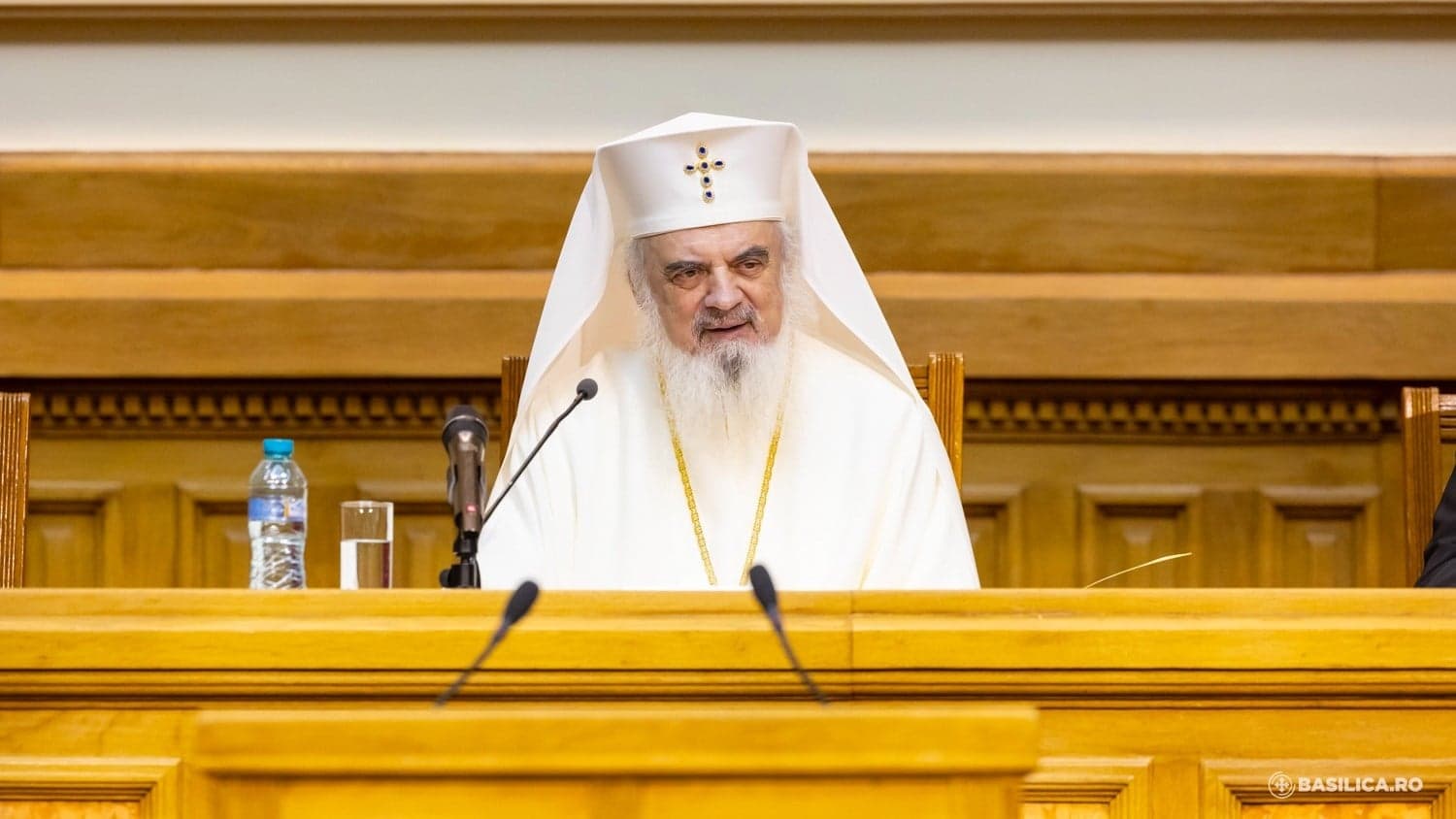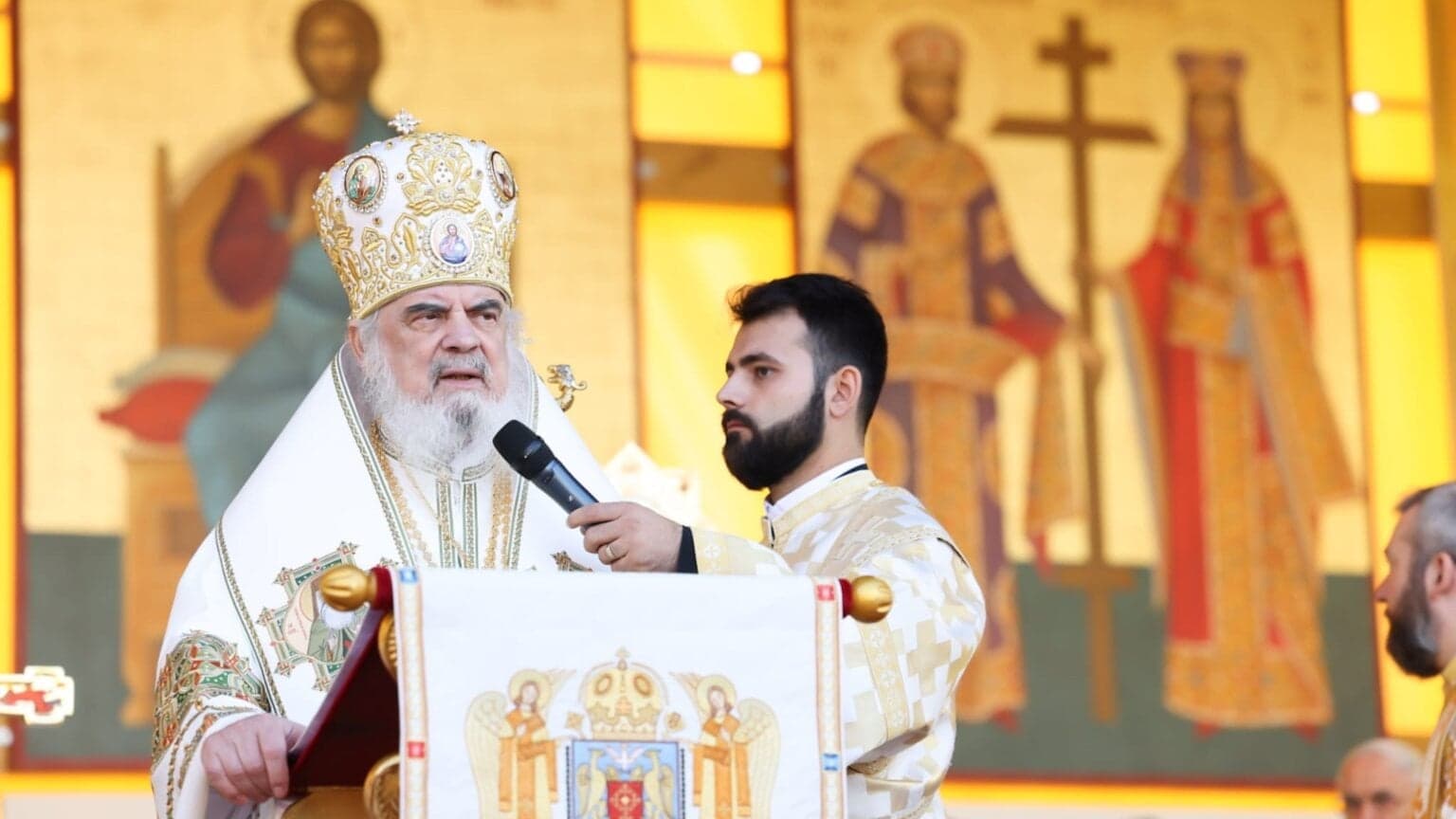
Healing and resurrection took centre stage in the sermon delivered Sunday by Patriarch Daniel to thousands of pilgrims gathered in Bucharest for the feast of St. Demetrius the New and to venerate the honoured relics of St. Lazarus brought from Cyprus. Patriarch Daniel was joined in service by the Archbishop of Cyprus and other hierarchs.
The timing of the Sunday gospel reading proved providential, recounting one of the three resurrections performed by Jesus Christ: that of Jairus’s daughter (Luke 8:41-56). The gospel also includes the story of Christ healing a woman suffering from a 12-year-long haemorrhage.
“Deep humility, combined with strong faith, moved the merciful Jesus Christ to grant this woman immediate healing,” observed Patriarch Daniel. He highlighted the three gifts Jesus bestowed upon her: “He restored her health, honoured her by calling her daughter, and granted her the joy of a peaceful life, telling her, ‘Go in peace; your faith has saved you.’”
“He didn’t call her woman, as sometimes Jesus used to. He told her: Daughter, take heart! When Jesus calls someone son or daughter, it means that He observed a powerful faith in that person’s soul. Those with a strong faith were sons and daughters of Abraham,” Patriarch Daniel explained.
The Patriarch of Romania also referred to the raising of Jairus’ daughter.
Pointing to the coincidence of having read a gospel fragment about a resurrection while Bucharest temporarily housed the honourable skull of Saint Lazarus, the patriarch said that “for Orthodox Christians, nothing is random but divinely arranged.”
“The Saviour raised three persons from the dead: the son of the widow in Nain, Jairus’ daughter and his friend, Lazarus of Bethany. All these people were young. Through this, he indicated that young people are the icon of those called to eternal life, to eternal youthfulness, and they are a hope for their parents because they will take care of them when they are old.”
The most profound presentation of the mystery of resurrection
He emphasized that the resurrection of Lazarus recounted in John’s Gospel, is a profound representation of the mystery of resurrection, taking place shortly before Christ’s own passion, death, and resurrection.
The Patriarch highlighted that Christ revealed the truth of the resurrection, saying, ‘I am the Resurrection and the Life; whoever believes in Me, even though he dies, will live’” (John 11:25).
Patriarch Daniel explained that the resurrection is not a natural or sociological phenomenon but a divine gift from Christ for all people. He cited St. Cyril of Alexandria, who interpreted Jesus’s weeping over Lazarus as an expression of compassion for all humanity.
When Jesus called, “Lazarus, come forth,” He prophetically symbolized the universal resurrection at the end of days, when all would rise at Christ’s call of eternal love.
St Demetrius – a humble, quiet hesychast
Patriarch Daniel also spoke of St. Demetrius the New, whose simple, holy life annually draws thousands to Bucharest. “The venerable saints endured through prayer, prolonged fasting, through many feats and vigils, by facing temptations and trials, illness and persecution without complaint, without rebelling. It is to them that Christ the Lord told: Come to Me, all you who labor and are heavy laden. Here we can see the example of Saint Demetrius the New of Basarabov, who lived a life of poverty and simplicity.”
“Saint Demetrius the New was a great, humble, and quiet hesychast. He sensed one day that he was passing to the Lord, sat down between two stones, and offered his soul into the hands of the Lord in total solitude. Only the angels of heaven, living creatures or birds around were present during his transition from earthly to heavenly life.”
His Beatitude recounted how St. Demetrius’s relics came to Bucharest 250 years ago and have since protected the city, warding off plagues, fires, and diseases. “He became a great healer of illnesses,” the Patriarch noted.
Photo: Basilica.ro / Mircea Florescu