Romanian, international scholars gather in Iași for symposium on biblical tradition

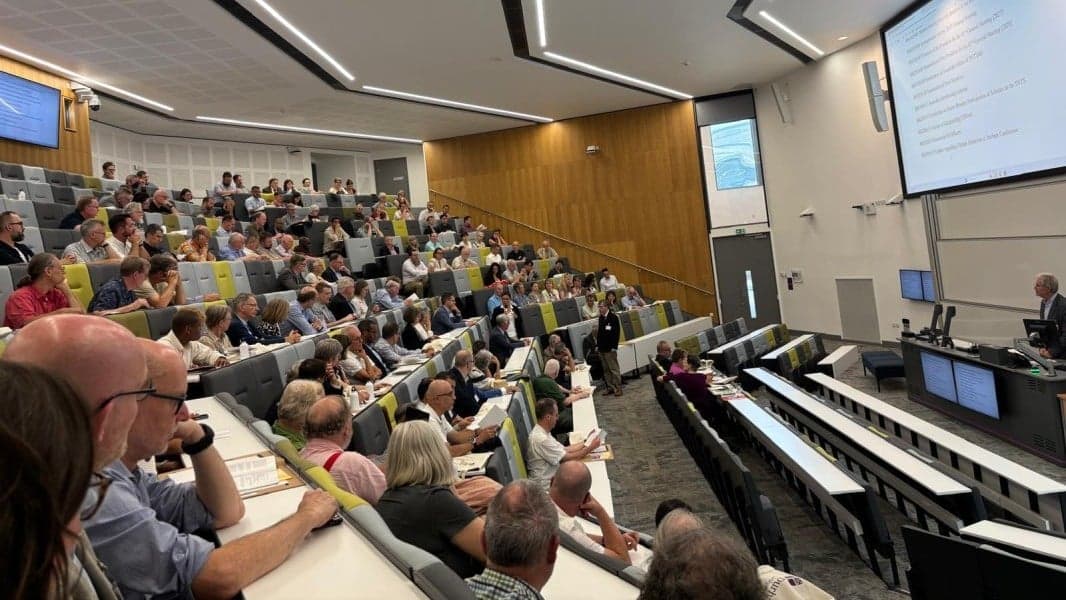
The 15th International Symposium ‘Explorations in the Romanian and European Biblical Tradition’ opened on Thursday in Iași, bringing together researchers, university professors, theologians and philologists from Romania and abroad.

The official opening took place at the Metropolitan Museum of Iași. This year’s edition began with a commemorative session dedicated to the centenary of Professor Paul Miron (1926–2008), one of the leading figures of Romanian philology and Romanian academic life in exile.

The inaugural programme included a presentation by Adrian Nicolae Petcu, researcher at the National Council for the Study of the Securitate Archives (CNSAS), entitled ‘Paul Miron through the Eyes of the Communist Repressive Apparatus.’

Receiving the Word Within

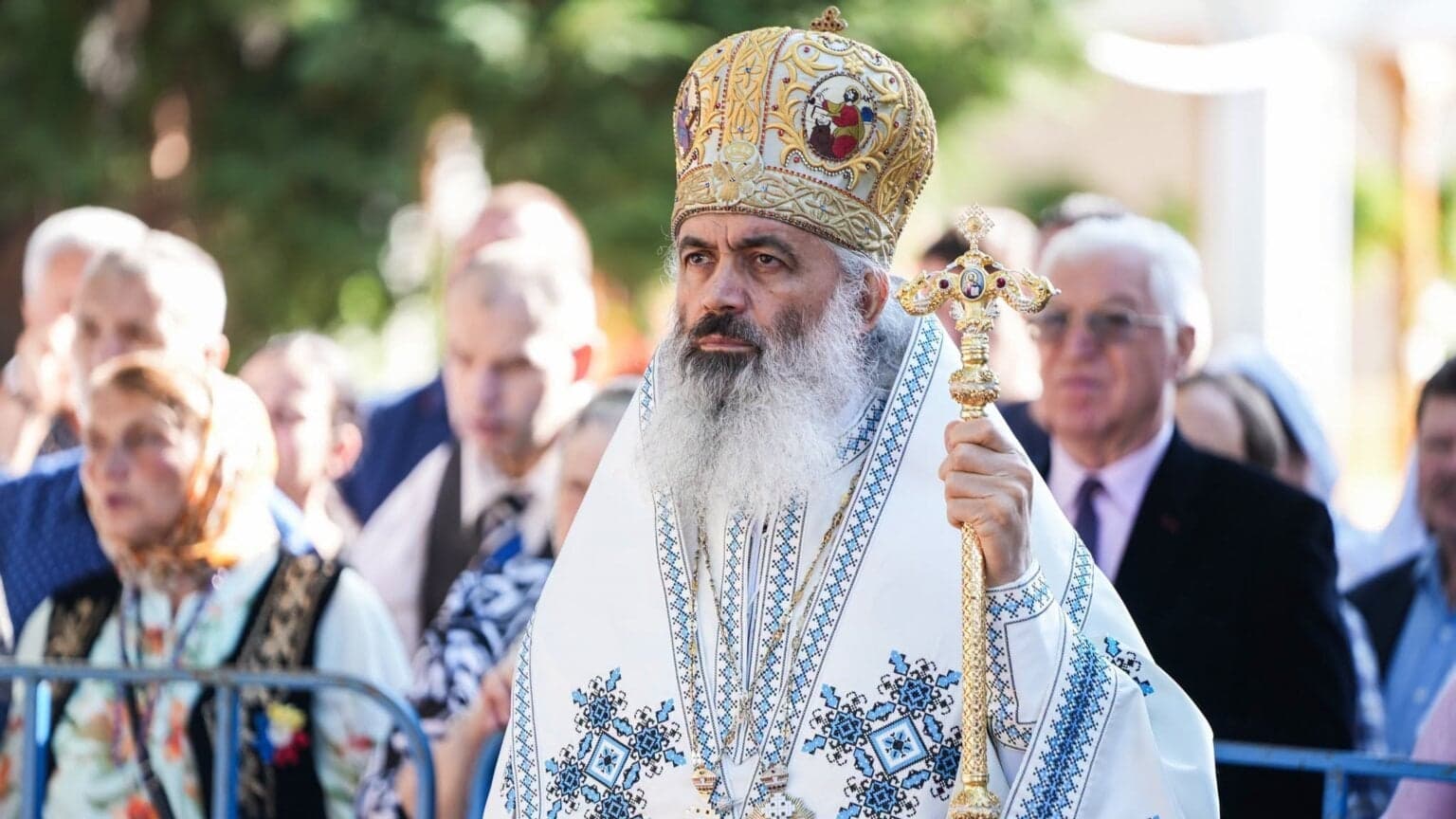
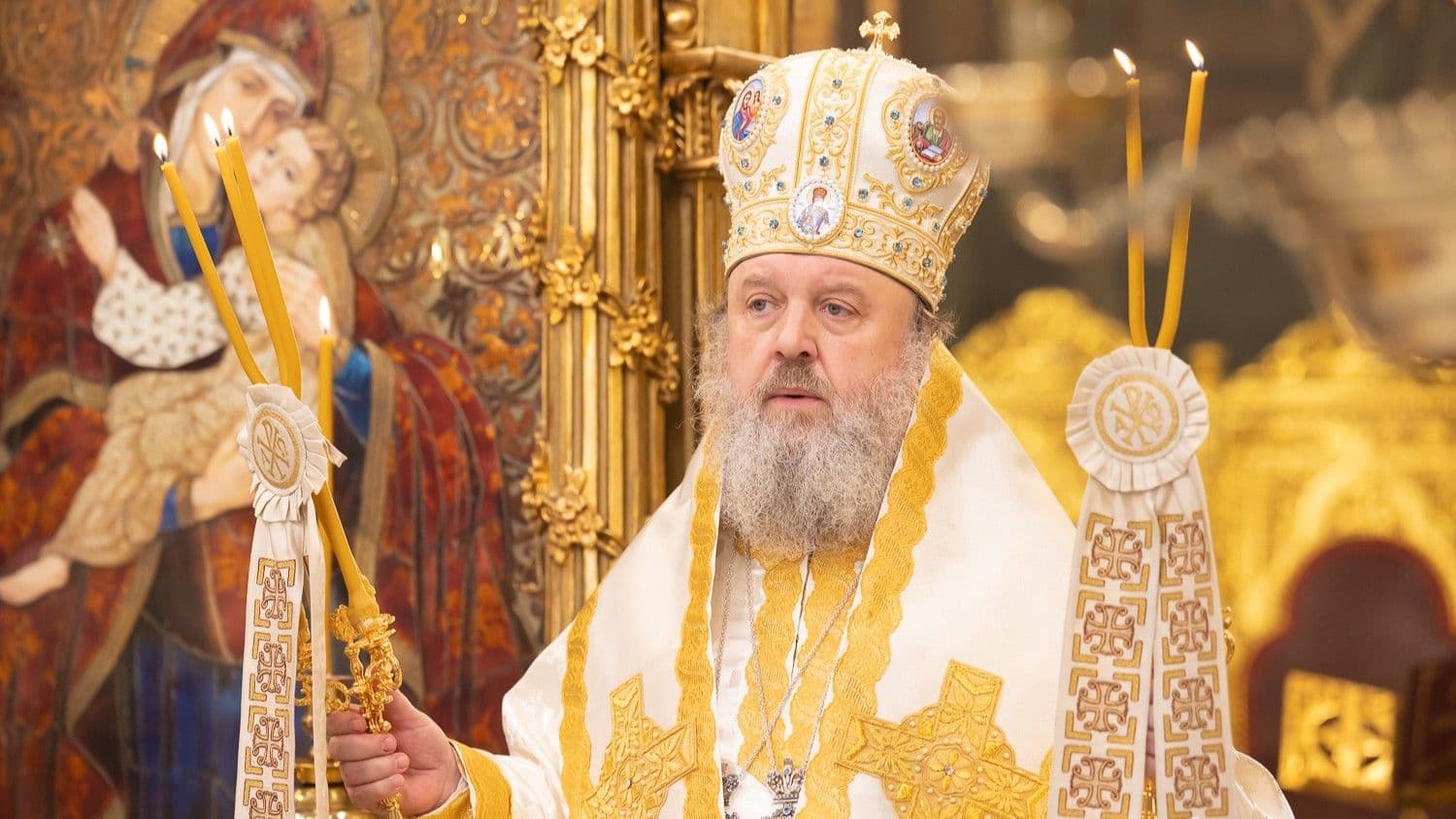
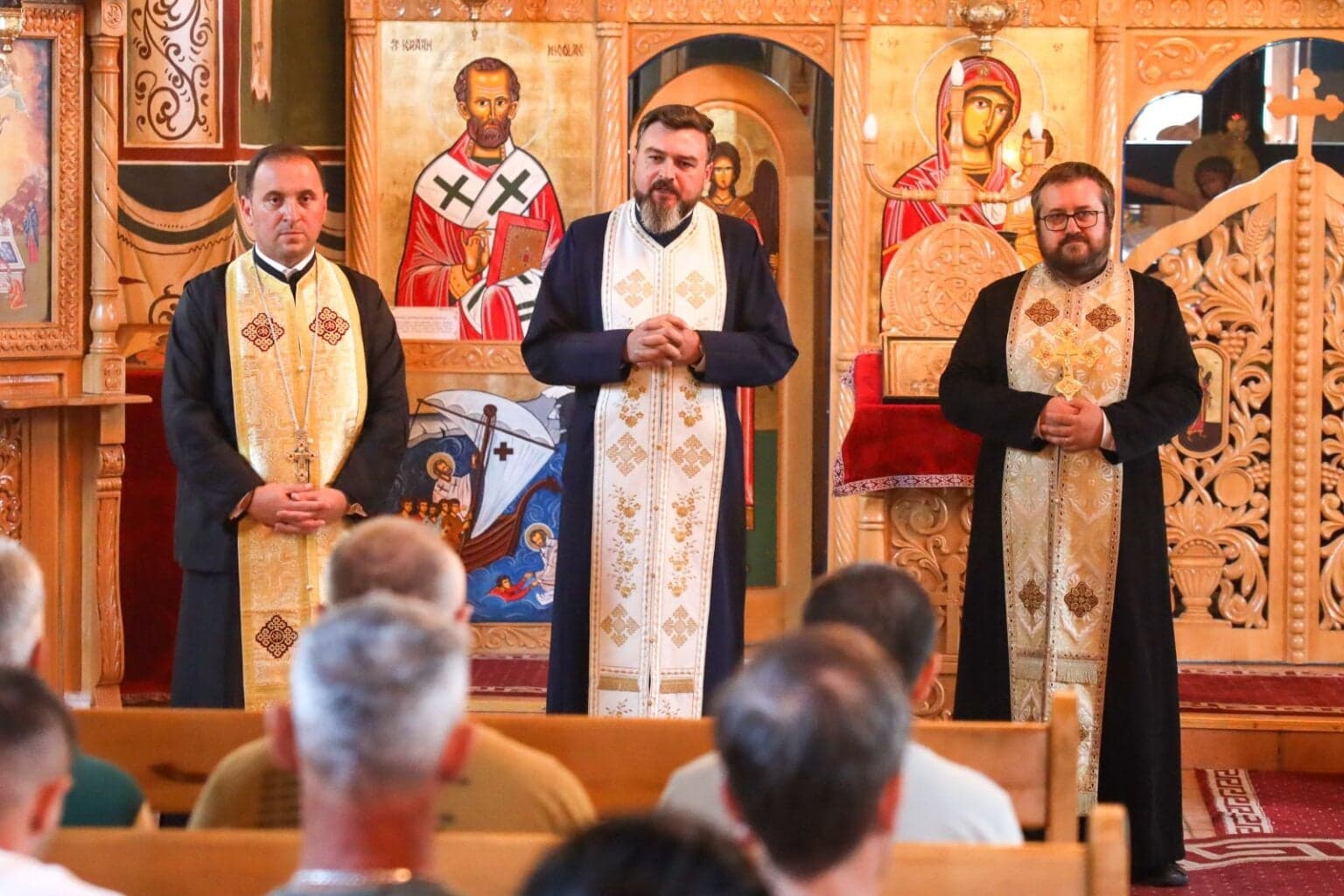
At the opening of the event, Fr Cristian Alexandru Barnea, Vice-Dean of the Faculty of Orthodox Theology in Iași, read a message of blessing from Metropolitan Teofan of Moldavia and Bukovina.

“In the Gospel according to Luke, chapter 10, where Martha and Mary are mentioned, Mary is the one who sits and listens to the Lord’s word—that is, she receives it into the depths of her being and allows it to work within her.”

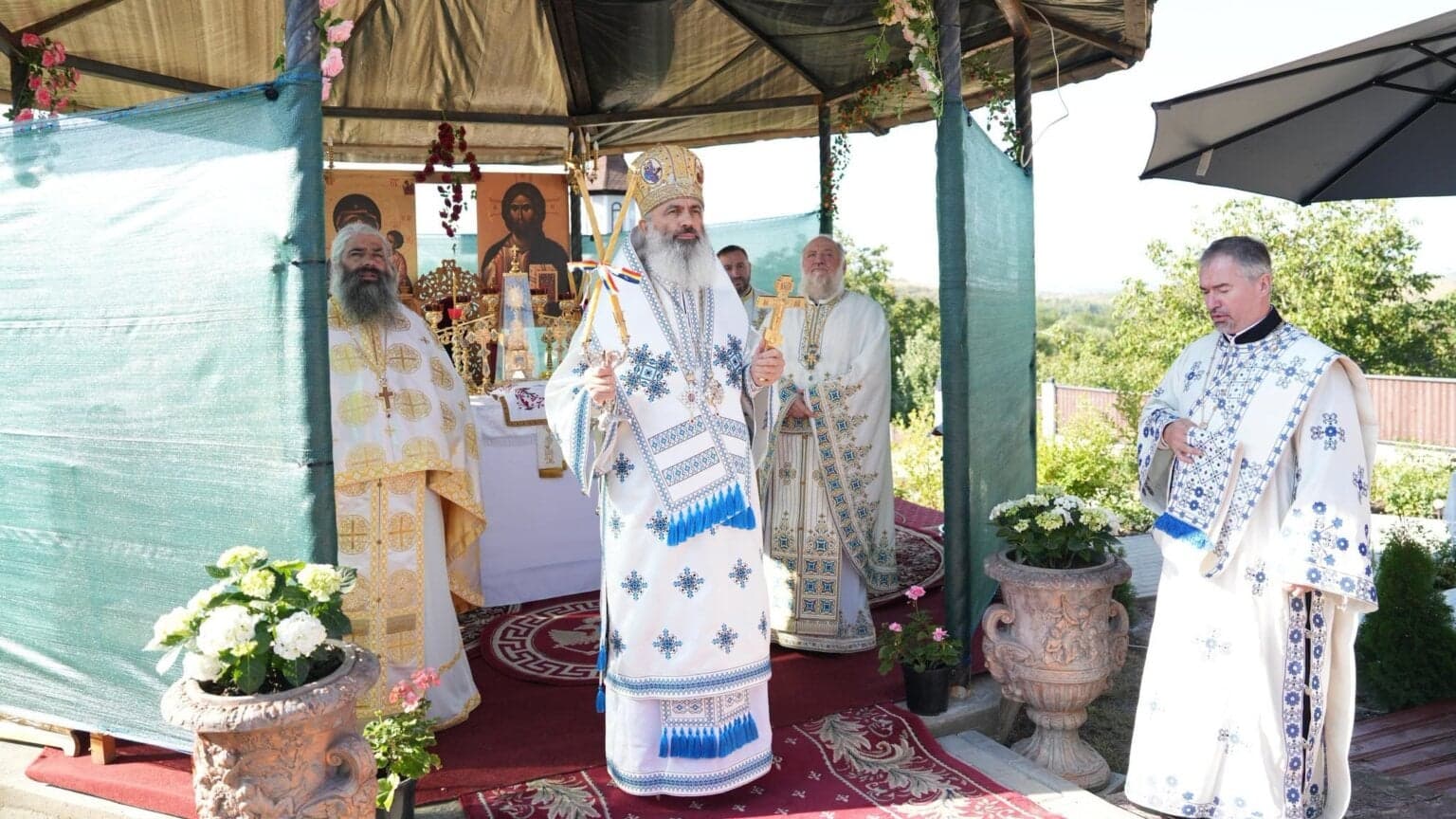
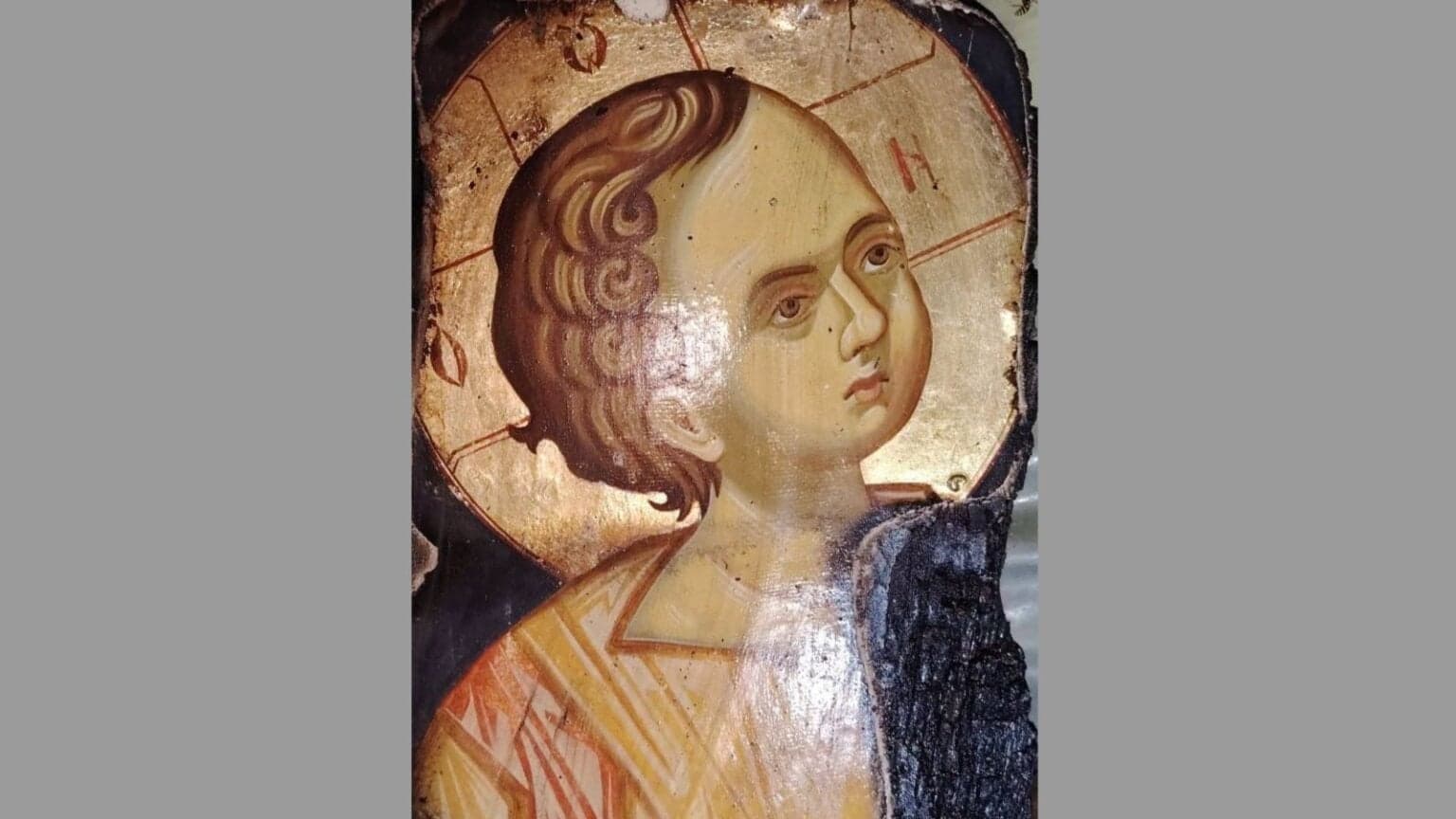
“This receiving of the Word within is a spiritual ascent that man undertakes, from a theological perspective, together with the Mother of God, whose icon we celebrate today—the Icon of the Mother of God of Neamț Monastery, known as the Hodegetria (‘She Who Shows the Way’),” the Metropolitan’s message to participants stated.

Romanian biblical tradition

Professor Sorin Tașcu, Director of the Interdisciplinary Research Institute at Alexandru Ioan Cuza University, highlighted the role of the biblical tradition in shaping the Romanian literary language and its connection with the wider European cultural space.

“The direct reference to the major Monumenta linguae Dacoromanorum project reminds us that, throughout the centuries, the sacred text has been the principal driving force behind the development of the Romanian literary language and, at the same time, a bridge for dialogue with Europe’s great cultural tradition. Romanian biblical tradition did not evolve in isolation, but remained constantly anchored in European currents of translation, exegesis and printing.”

The researcher also explained the significance of the session dedicated to Professor Paul Miron:

“He himself was truly a monument of cultural diplomacy and outstanding philology. I believe he deeply understood that the Romanian language and early Romanian texts are vehicles of European identity.”

“Therefore, bringing his legacy to the forefront today is not merely a duty of honour but also a reaffirmation of the values promoted by this symposium: scholarly rigour combined with a generous openness to universality,” Sorin Tașcu said.

The opening events concluded at Old St George’s Cathedral within the Iași Metropolitan Complex, where a Memorial Service was held in memory of Professor Paul Miron.

The symposium will continue until Saturday with academic sessions, plenary lectures, round-table discussions, and book launches devoted to philological research, biblical translations and the history of the reception of sacred texts.

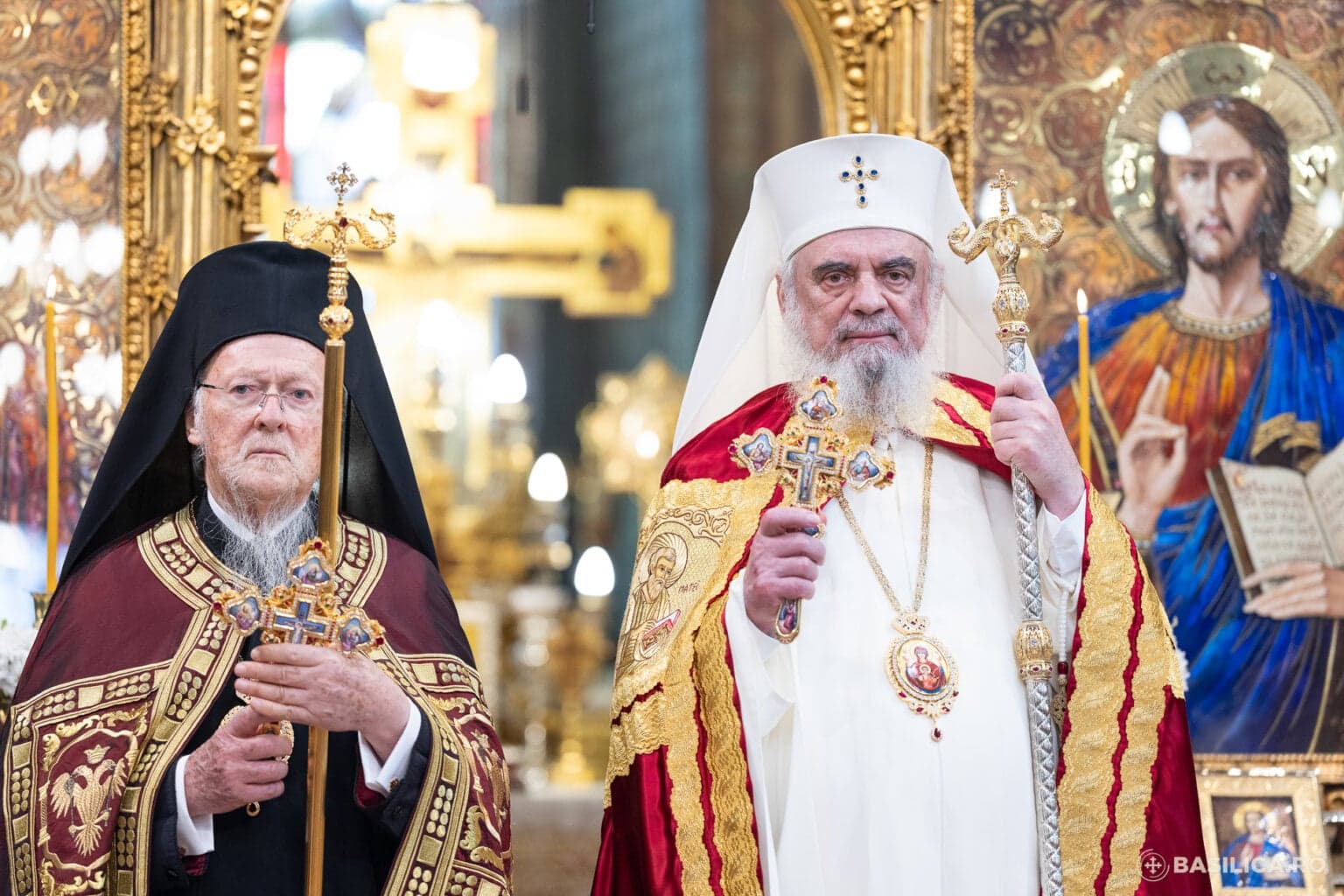
Photo: Doxologia.ro / Mihail Vrăjitoru


Latest News