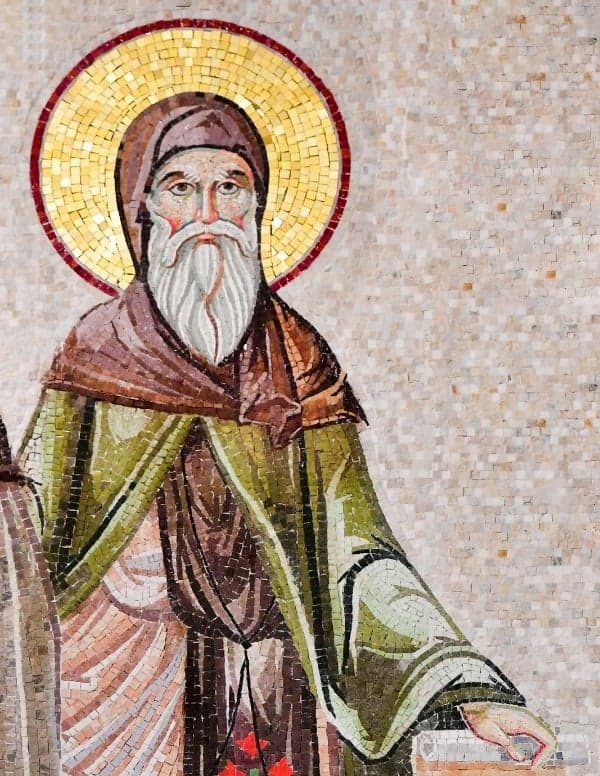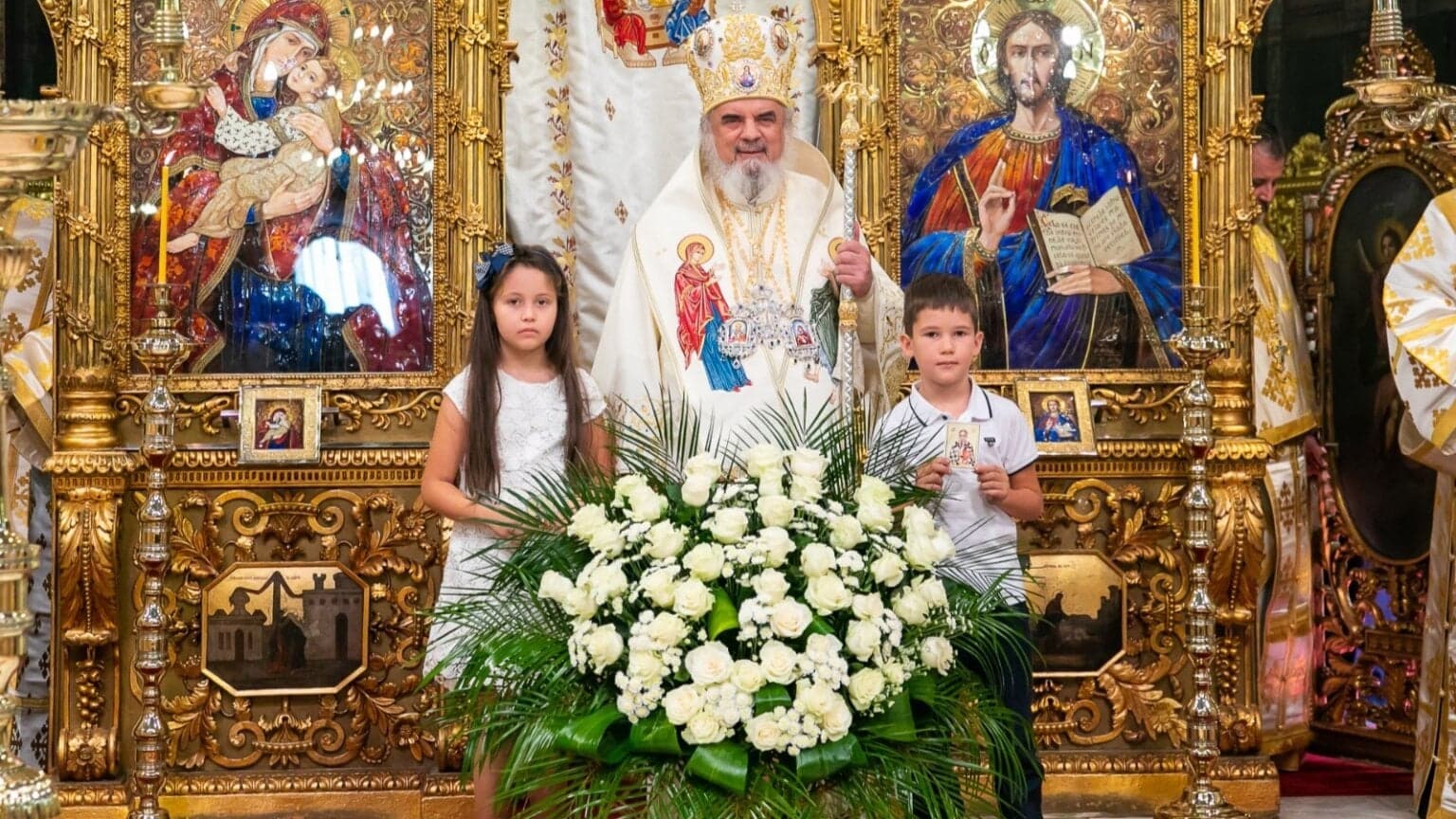
Patriarch Daniel: Saint Olympias of Fărcașa exemplifies sacrificial motherhood, charity and readiness for eternal life

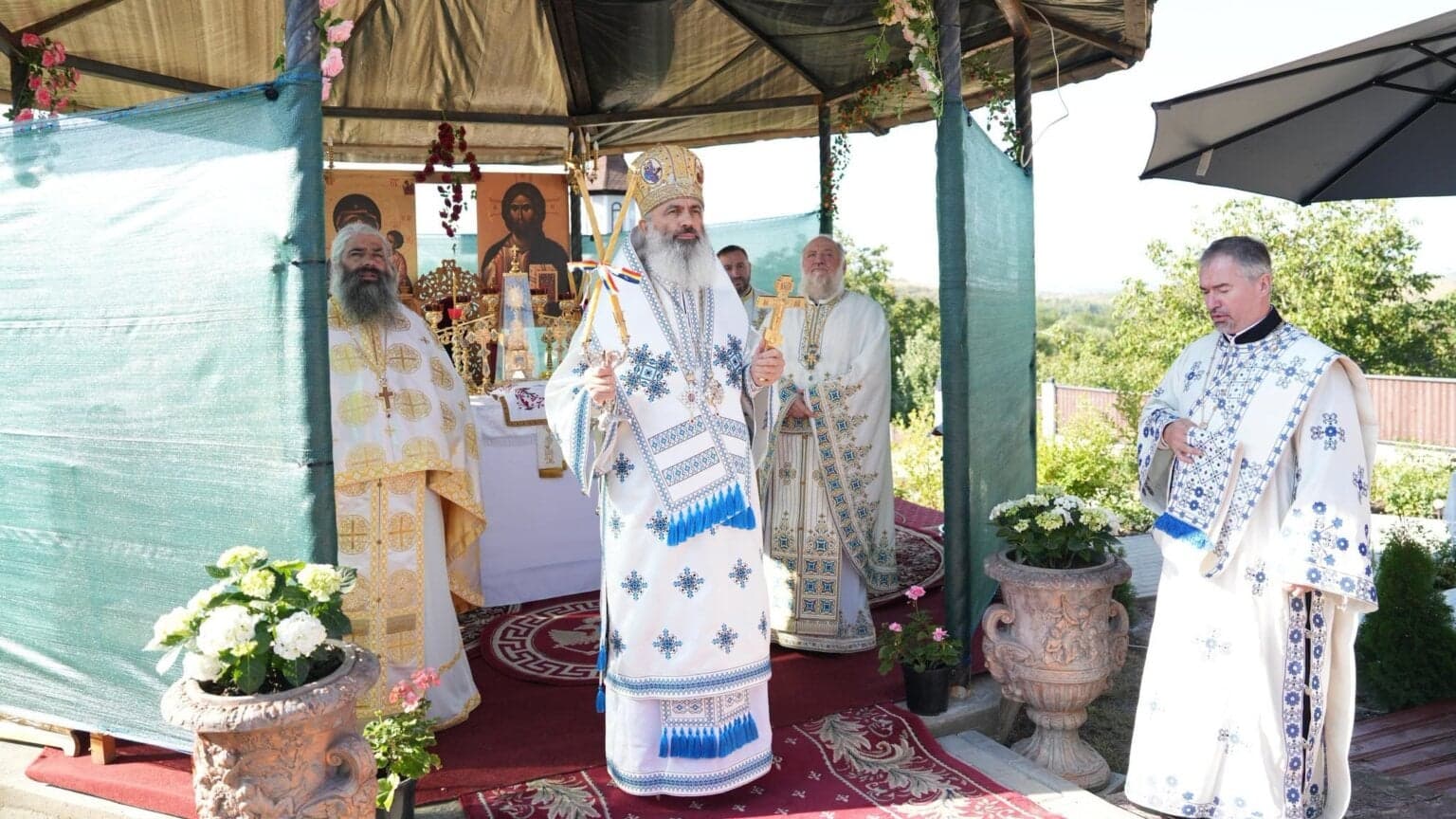
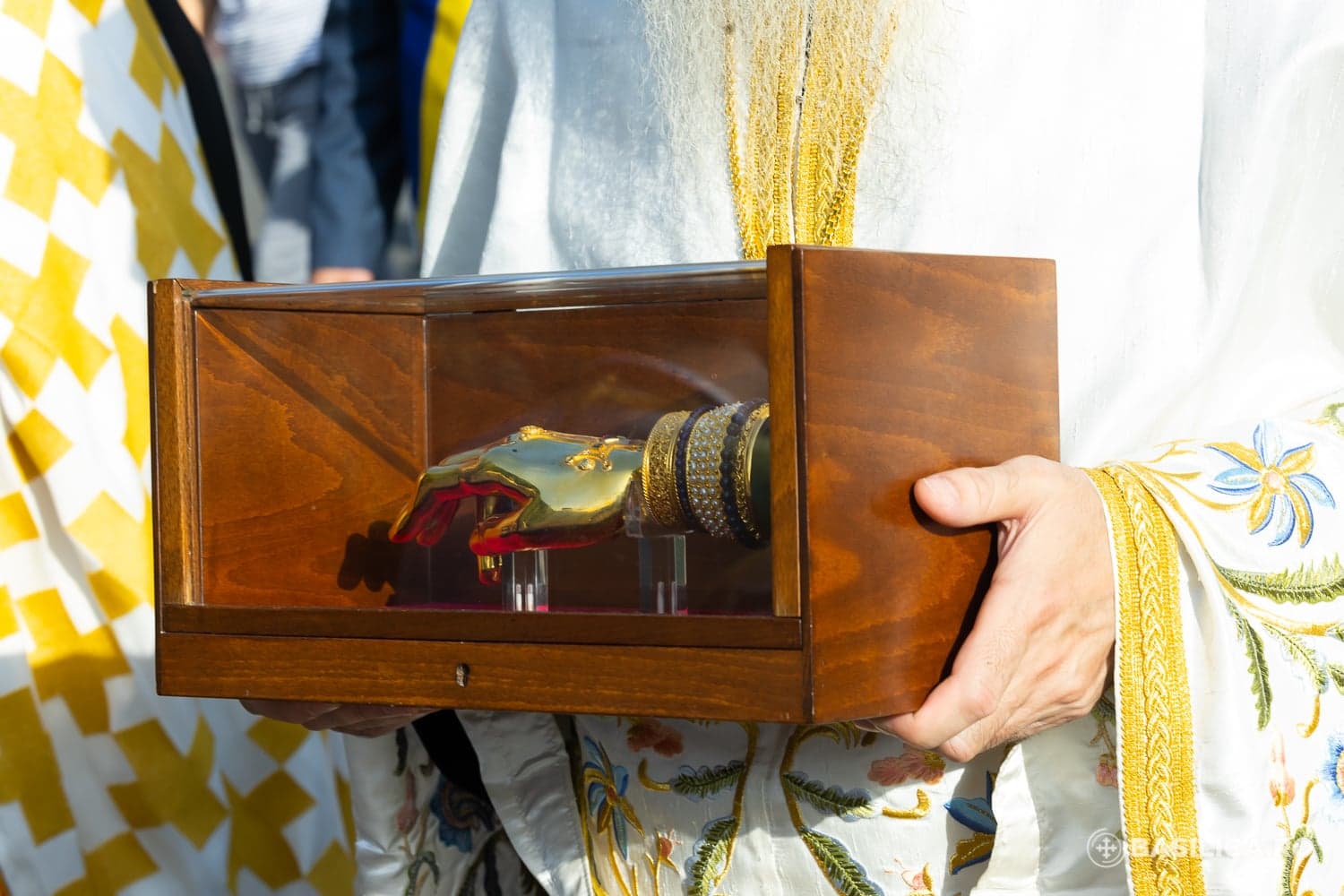
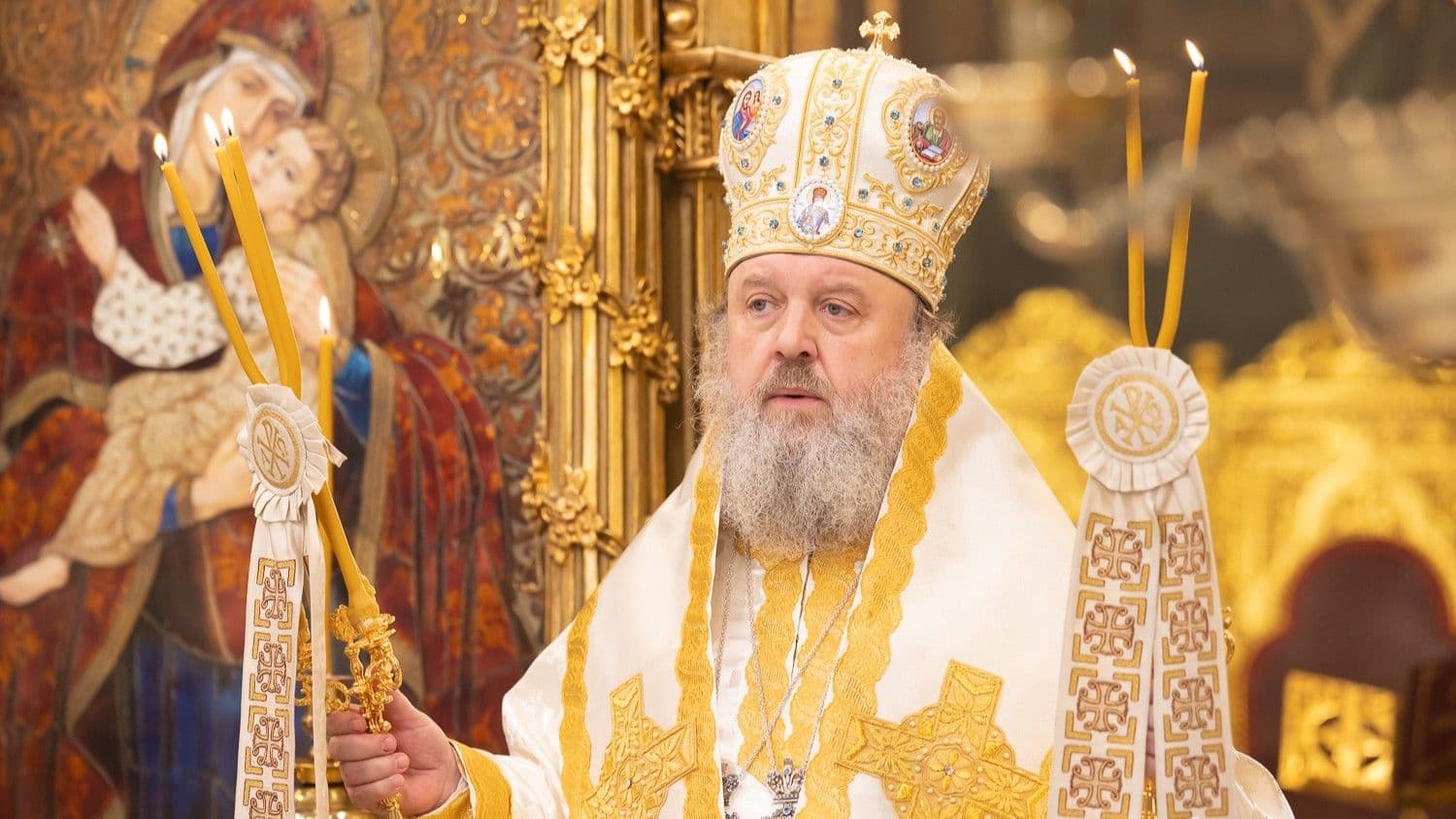
His Beatitude Patriarch Daniel of the Romanian Orthodox Church described Saint Olympias of Fărcașa as a model of sacrificial motherhood, active charity and unwavering faith during the local proclamation of her canonisation on Saturday. In his message, the Patriarch said her life demonstrates that holiness can be attained through humble service to God, family and neighbour.

Reflecting on the life of the mother of Saint Petronius of Prodromos Skete, the Patriarch identified three defining characteristics of her spiritual legacy: her self-sacrificing love as a Christian mother, her living faith expressed through works of mercy, and her lifelong preparation for death in the hope of the Resurrection.

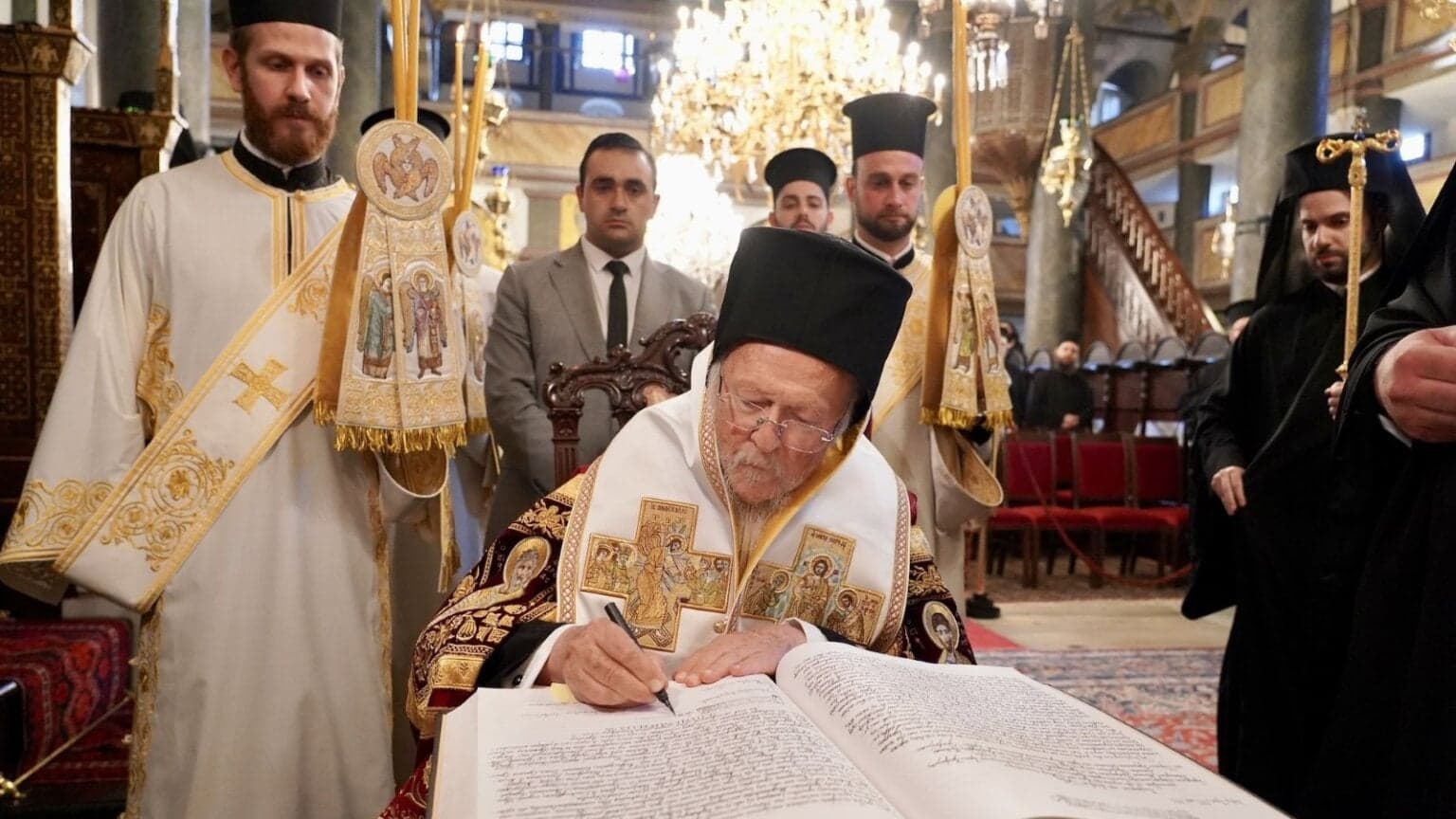
Patriarch Daniel noted that the canonisation of Saint Olympias, together with the other fifteen Romanian holy women canonised by the Romanian Orthodox Church, bears witness to God’s work among the Romanian people and offers contemporary Christians an enduring example of faith, humility and love.


Saint Olympias of Fărcașa: A sacrificial mother, charitable woman and faithful Christian prepared for the hour of death

With joy and reverence, today we honour, according to the order of the Church, the radiant image of Saint Olympias of Fărcașa, the mother of Saint Petronius of Prodromos Skete—a zealous believer and devoted mother who, through her humility and merciful love, attained the measure of holiness.

Reflecting upon her holy life, we can discern several defining characteristics of this woman chosen by God. In her, we find the image of a Christian mother who sacrificed herself for her children, a model of living faith made manifest through merciful love towards those suffering, and an example of one who prepared herself for the hour of death with hope in the Resurrection.

1. A sacrificial Christian mother

The foremost virtue of Saint Olympias of Fărcașa was her self-sacrificing love for the eight children whom she received from God. Through her way of life, she ensured that her children learned, before anything else, what it means to be a true Christian and to live a life pleasing to God. Through the Mystery of Marriage, God entrusted her with eight children, whom she raised with generous love and spiritual discipline, nurturing souls firm in the faith and steadfast in Christian living.

Saint Olympias lived during a time of severe material poverty. Widowed in 1942, when her husband Ion departed this life, she was left to bear alone the burden of raising a large family in the midst of a society that sought to uproot faith and tradition from the hearts of ordinary people.

Although her family lived in poverty and her daughters were obliged to work in villagers’ homes to earn what they needed, she never lost her faith. She continually struggled for her own spiritual growth and that of her family. It was precisely in these difficult circumstances that the beauty of her soul became evident, for Saint Olympias offered her very life to God, directing all her efforts towards becoming pleasing in His sight.

The daily rhythm of her household was ordered according to the Church’s liturgical year, resembling a small monastic community, marked by prayer, participation in the divine services, and the mutual asking of forgiveness among family members—and even neighbours—before attending the Divine Liturgy.

This practice, whereby every member of the family would ask forgiveness, saying, “Forgive me,” and replying, “May God forgive you,” became one of the most precious spiritual inheritances she left to her children, teaching them humility and love from their earliest years.

In Saint Olympias’s home, Saturday evening Vespers, or the eve of any feast day, was not merely another church service but a sacred boundary marking time itself. Once the church bells announced Vespers, every household task ceased, and every member of the family prepared to attend the divine services.

Her greatest concern was always the salvation of the souls entrusted to her maternal care. Her son, Saint Petronius of Prodromos Skete, testified that she “was a good mother, raising her children in the fear of God.”

She taught them not through eloquent words but through the living example of her own life, taking them by the hand to church from an early age, teaching them to make the sign of the Cross, to fast, to practise self-restraint and to help their neighbour.

It was within this humble home in Fărcașa that the character of Saint Petronius of Prodromos Skete was formed. Her life reminds us of the profound importance of Christian mothers, whose prayers and holy example can become a living model for their children and guide them on the path to holiness.

2. A charitable woman guided by living faith

The second defining characteristic of Saint Olympias’s life is her faith expressed through works of mercy and brotherly love. Saint Petronius of Prodromos Skete says that “charity was her foremost concern,” words that encapsulate the whole spirit of her inner life. She would invite weary travellers into her garden and offer them a meal, and she shared whatever little she had with the poor, so much so that her husband would sometimes gently reproach her for being “too generous.”

Saint Olympias’s charity was not limited to the living. Every Saturday morning, she offered memorial alms for those who had fallen asleep in the hope of the Resurrection. She would often bring a plate of food or a jug of fresh water drawn from the well to a sick neighbour, offering these acts of mercy in memory of those who had departed to the Lord. Although she herself had very little, she would still give away an apple, a pear, or an egg, ensuring that no one who crossed the threshold of her home left without receiving some form of alms.

Many people came to her for the prosphora bread she baked for the church, and on such occasions they also received words of comfort and practical spiritual advice. Those who knew her recalled that a holy peace surrounded her, soothing the anxieties of daily life. They testified that they had never seen her angry or irritated, nor had they ever heard her speak harshly to anyone, quarrel, humiliate others, curse, or even mention the evil one. She always had a kind word to offer and encouraged many people in times of sorrow and hardship.

The most moving testimony to Saint Olympias’s compassionate love comes from her son, Saint Petronius of Prodromos Skete. He recalls that on Maundy Thursday, when his mother had been away from home, he asked where she had been. She replied that she had visited a neighbour who was gravely ill and paralysed, bringing her a gift and washing her feet in remembrance of the Last Supper.

Her simple words remained engraved in her son’s heart when she said: “If Christ the Lord washed the feet of His disciples, should I do nothing for Him?” In that moment, this humble mother interpreted the Gospel through her actions. She transformed her neighbour’s suffering into an opportunity to serve Christ, fulfilling with her own hands the commandment of merciful and generous love.

During the same Holy Week, on Great and Holy Friday, her son recounts that she spent the entire day with tears in her eyes, contemplating Christ’s sufferings for the salvation of the world. Her grief flowed naturally from a heart filled with love for the heavenly Bridegroom, crucified upon the Cross.

From this same love sprang another of her beautiful customs regarding the small sums of money she received at church. According to local tradition, younger women would kiss the hands of elderly women and widows, discreetly placing a coin in their palms. Saint Olympias revealed to her son what she always did with these gifts: “I never spent this money on myself. I buy candles with it and light them before the icon of the Mother of God, and when I return home I make ten prostrations for every franc, praying for the health of the person who gave it to me.”

Here we see the complete transformation of almsgiving: she kept nothing for herself but turned every coin into a spiritual offering. Saint Olympias prayed ceaselessly, continually making the sign of the Cross and performing prostrations. This constant prayer was the source of all her wonderful deeds—the hidden fire that animated her entire life.

3. Prepared for the hour of death through hope in the Resurrection

The third very important aspect of Saint Olympias’s life was her preparation for the final hour, reflected in the constant attention she gave to her spiritual life, always living with the awareness of her departure from this world.

The suffering she endured during the last months of her life did not disturb her or cause her to complain. Her hearing had weakened, her eyesight had faded, her legs had become swollen and painful, she walked with the aid of a stick, and she suffered from gout. Yet she bore all these infirmities with patience and humility.

A week before her repose, having received an inward awareness that she would soon depart to the Lord, she called her daughter Glicheria and instructed her: “Ask Father Ionică to come and hear my confession and give me Holy Communion.” She observed the three fasting days of the Apostles’ Fast that year, confessed her sins with heartfelt contrition, and received the Most Pure Mysteries.

After receiving Holy Communion, her face became radiant. She ate nothing afterwards, drinking only cold spring water because she was overcome by intense thirst. Then she became joyful in a way those around her had never seen before and began singing the hymns she had learned over years of attending church services: the troparia of the Resurrection of the Lord, the Nativity of Christ, the Baptism of the Lord, Pentecost, and many others.

Thus, the elderly woman who lay suffering, her body worn down by illness, celebrated from her sickbed the entire history of salvation. She prayed without ceasing, whispering: “Lord Jesus Christ, have mercy on me, a sinner; Mother of God, have mercy on me, a sinner; O Lord, rebuke me not in Your anger, nor chasten me in Your wrath.” She recited “It is Truly Meet”, Psalm 50 (51), and continually repeated: “Receive, O Lord, all who come to You, and receive me also!” Standing on the threshold of death, she prayed not only for herself but for all who come to Christ.

On Tuesday morning, 4 July 1967, as the first rays of the sun rose over the hills and shone through the window of her humble home, she asked Glicheria to hand her a lighted candle. She opened her eyes and whispered only one word: “Forgive me!” Then she fell asleep in the Lord. Her face was serene, and a gentle smile remained upon her lips.

The canonisation of Saint Olympias of Fărcașa, together with the other fifteen Romanian holy women, reveals God’s blessed work among the Romanian people, from whose midst these holy women arose. They became spiritual mothers of the Romanian nation and, through their holy lives, examples of authentic Christian living, guiding the faithful to Christ the Saviour.

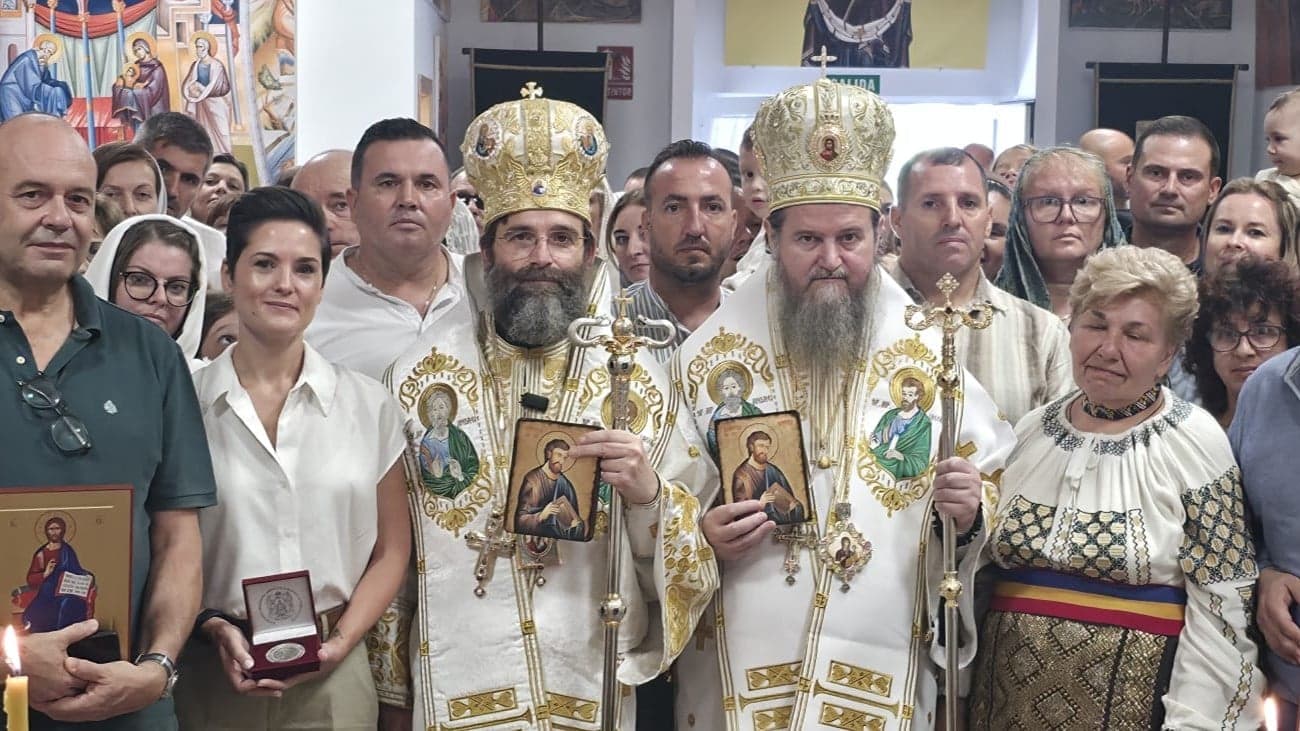
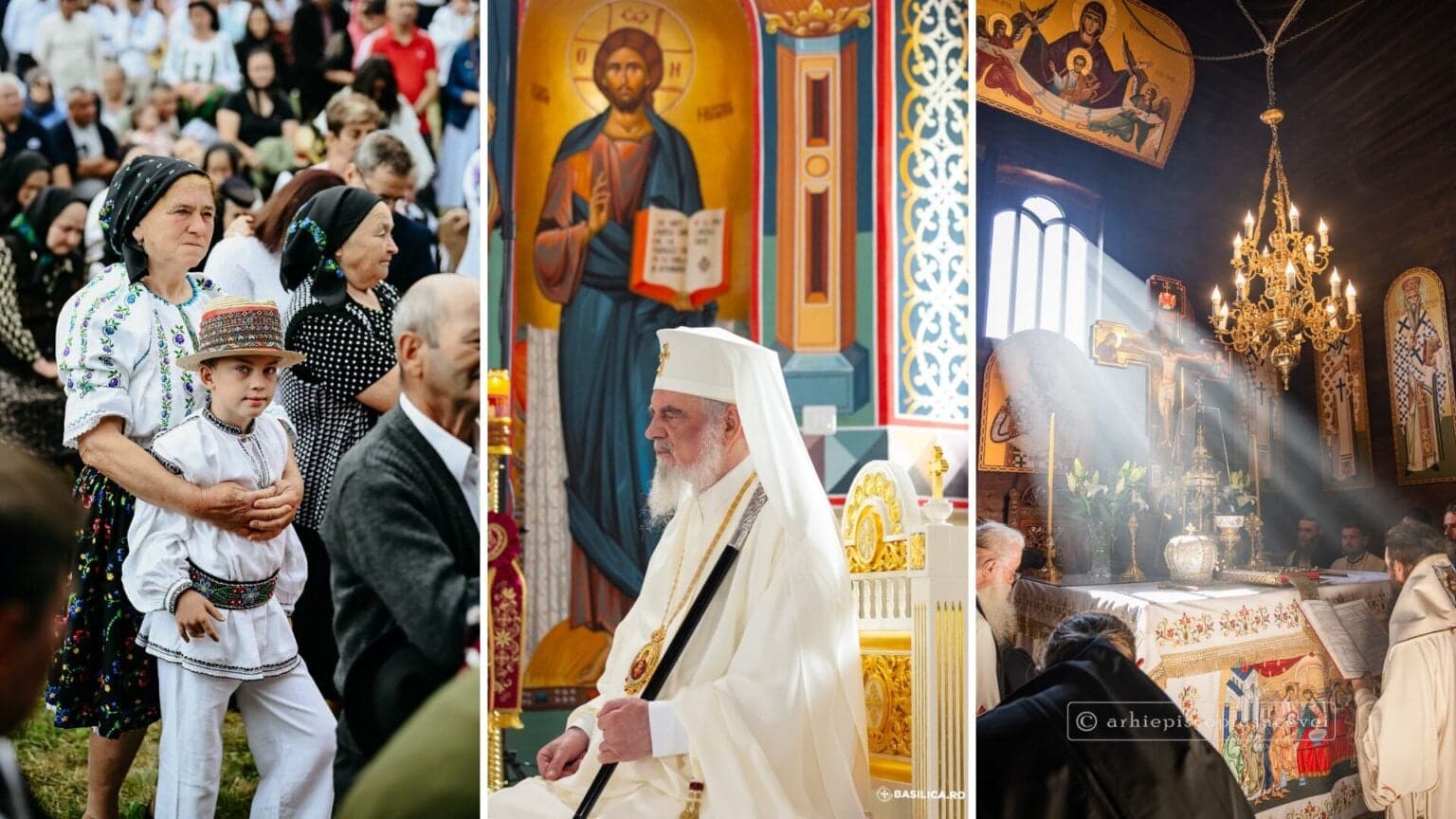
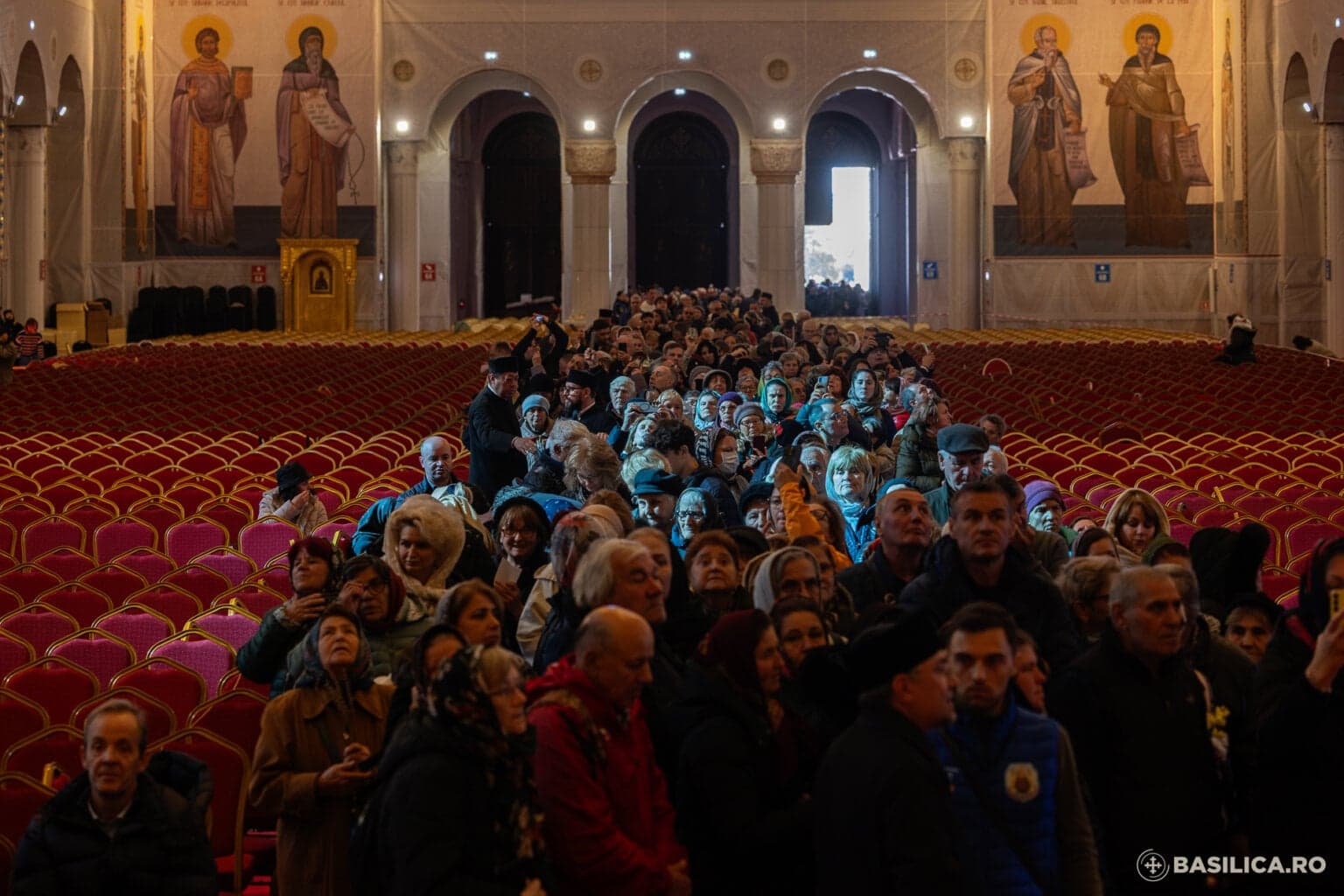
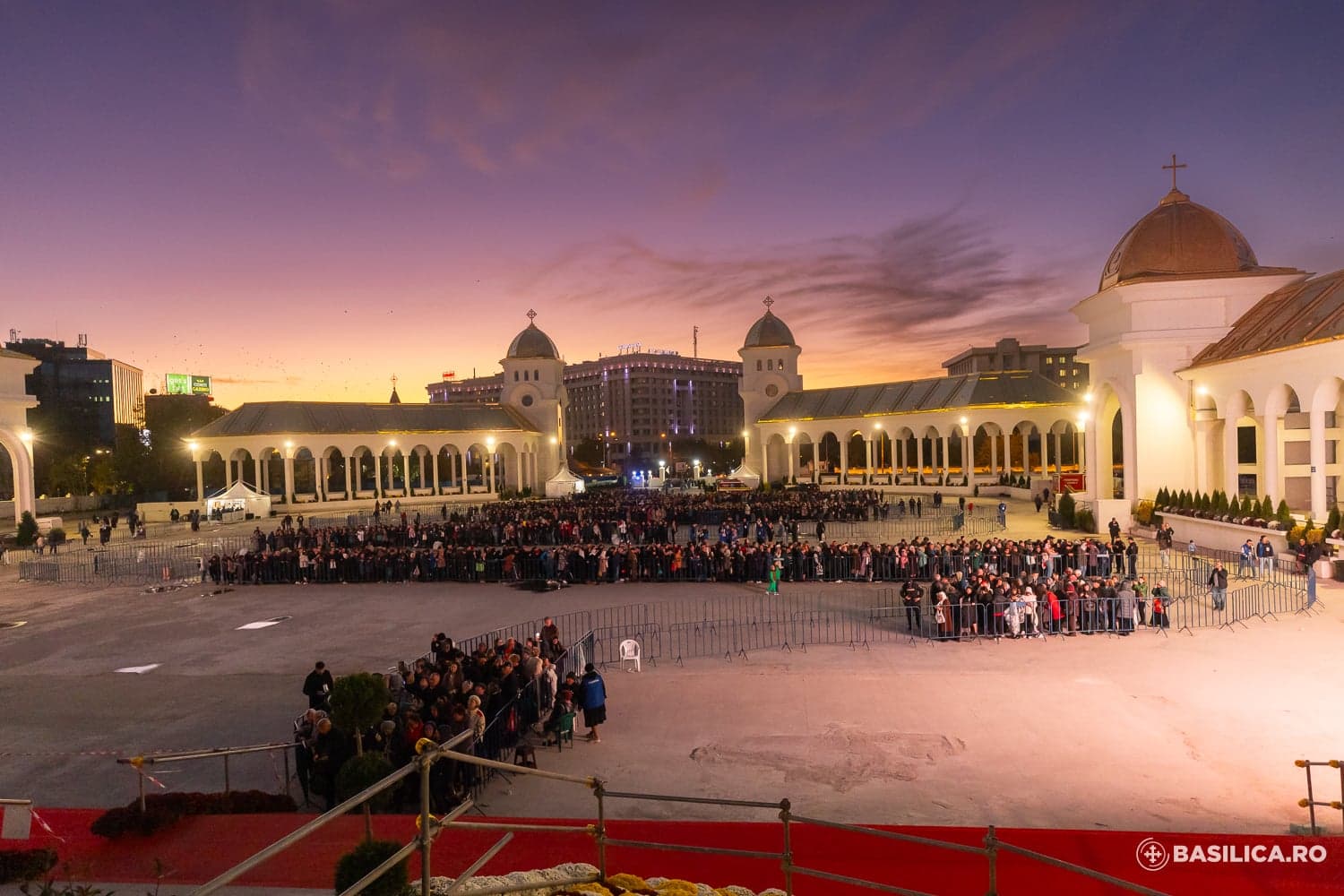
Today, on the blessed occasion of the local proclamation of the canonisation of Saint Olympias of Fărcașa, we wish to express our appreciation and gratitude to the hierarchs, clergy and faithful who have gathered with great love to honour this remarkable ascetic, who lived in a mountain village as a simple woman of the people and who, through her holy life, has become a model for all Christian believers.

We pray to Saint Olympias of Fărcașa that, together with the Most Holy Mother of God and all the saints, she may intercede before the All-Holy Trinity, asking that He grant everyone peace and joy, health and salvation.

† DANIEL
Patriarch of the Romanian Orthodox Church

Photo: Doxologia / Fr. Silviu Cluci


Latest News