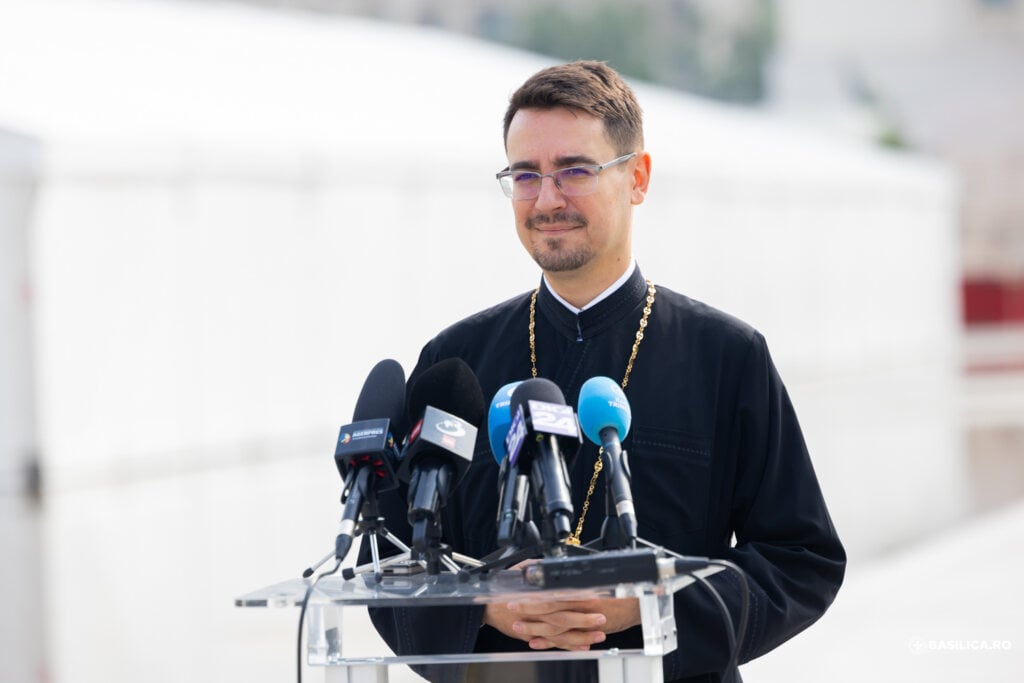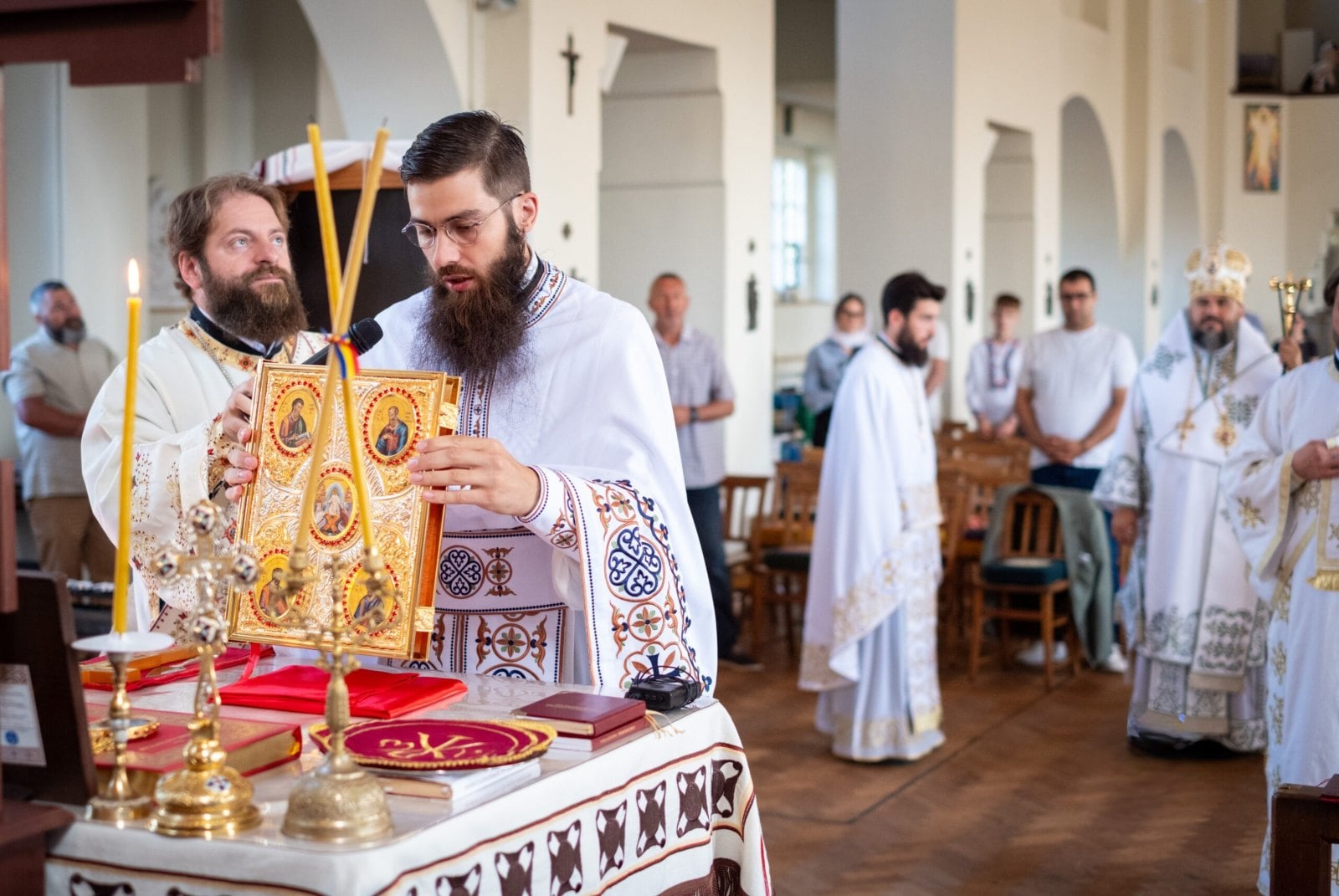
Father Radu Amariei, aged 34, serves as the parish priest of the Bedford Parish in the United Kingdom, a rapidly growing Romanian Orthodox community established in 2024. The parish priest speaks about families in the diaspora, the efforts they make to attend the Divine Liturgy, and how new faithful of other nationalities are drawn to the parish—often through their Romanian wives.
“We must be people of love in a world of hatred and fear. We must show others that we are different and that we can offer something other than what the world offers. And let people find rest in us. If people find rest, they know that this is the best place where they can come and find peace,” the priest says.
“They feel an emptiness that cannot be filled, so they come to our services and see that this emptiness is filled by the Divine Liturgy, by Christ. We also have an Indian man who embraced Orthodoxy from Hinduism last December, receiving the name Spiridon, because his Romanian wife has great devotion to Saint Spyridon.”
The community is currently experiencing continuous growth. Every Sunday, new people arrive—many of them young. Numerous catechumens and converts find the Romanian Orthodox community in Bedford through social media: they type Orthodox Church into Facebook or Google and discover it.
“An online presence is very important, especially in the times we live in. In Romania, it is very easy—you step outside your block of flats, and there is a church. Here, however, people travel dozens of kilometres to attend the services,” says Father Radu Amariei.
The greatest challenge: liturgical space
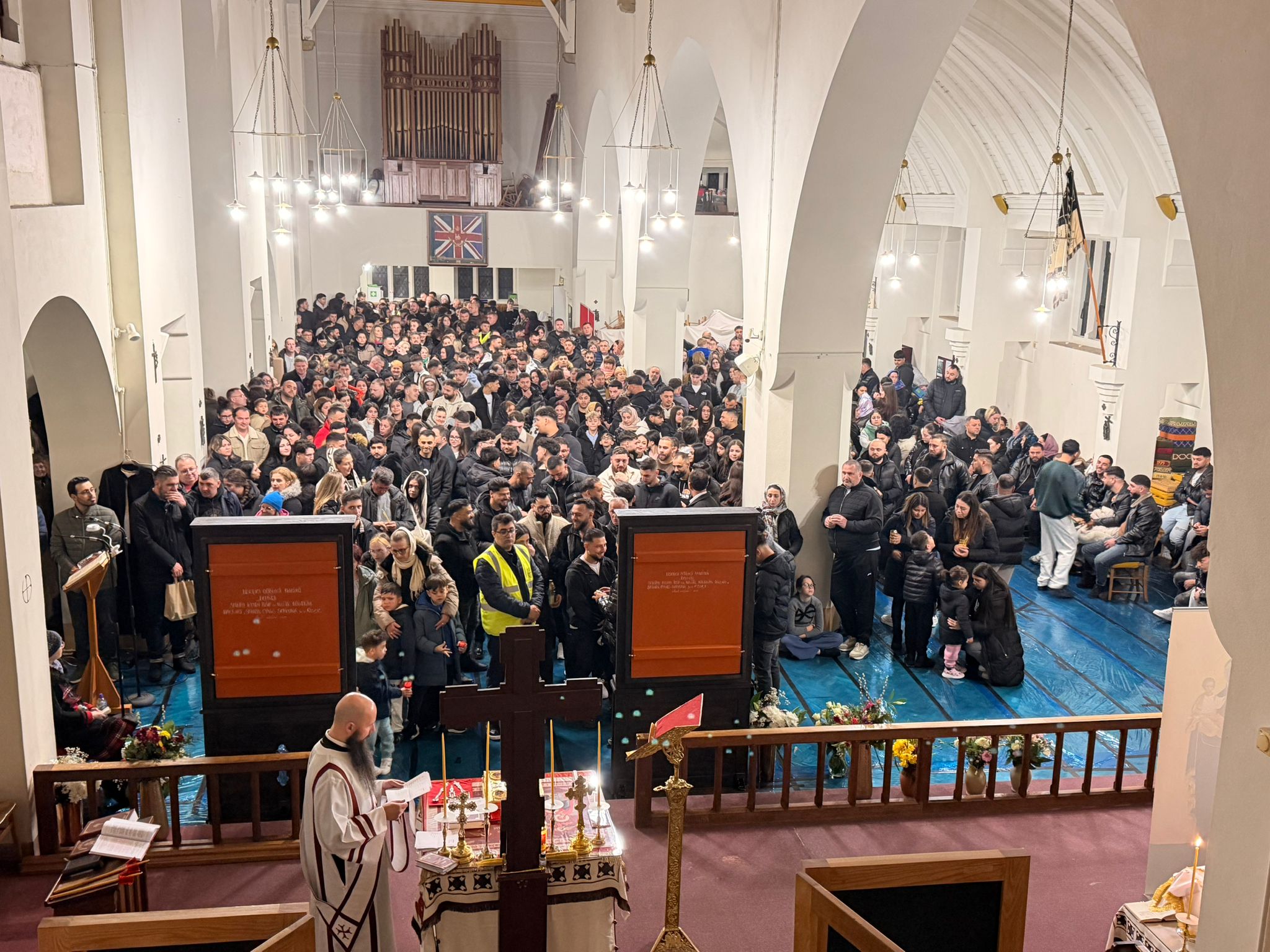
The greatest challenge for a parish in the diaspora, especially a newly established one, is its liturgical space, the priest explains. In Bedford, the Romanian Orthodox Divine Liturgy begins at 12:00 noon, half an hour after the service celebrated in the same building by the Anglican community.
“They begin at 10:00 a.m. and leave the church at 11:30. We come in at 11:30. In half an hour, we prepare our worship space. The icons are not kept there permanently. Every Sunday we set everything up, and afterwards we pack everything away again because, at 5:00 p.m., after we finish the Divine Liturgy, a Ukrainian community comes in,” the parish priest relates.
“At 12:30 p.m., we give the blessing for the Holy and Divine Liturgy. Even so, people deeply long for the Divine Liturgy. They come at 12:30 on Sundays, including families with young children of six or seven years old, who neither eat nor drink anything until they receive Holy Communion, at around three o’clock in the afternoon.”
“Just look at the effort these people make. You simply cannot help but love them,” says Father Radu Amariei.
The universality of Orthodoxy

In order to help everyone understand and experience the Divine Liturgy—including the children of Romanian families who no longer know their mother tongue very well—half of the petitions and prayers of the Divine Liturgy are said in Romanian and half in English, alternating between the two languages. The Lord’s Prayer is recited in both languages, and the faithful are provided with service books containing the full text of the service printed bilingually, with Romanian on one page and English on the facing page.
“In this way, they can benefit spiritually and experience the Holy and Divine Liturgy more deeply, for it is able to touch the human heart.”
People’s greatest need is to be listened to: “We must offer people quality time,” says the parish priest, who has spent as long as an hour and a half listening to a single person during Confession.
At this early stage in the life of the parish, the priest feels genuinely supported by Archbishop Athanasios.
“He is a man of joy. No matter what hardship or trial you are going through, he manages to give you a reason to hope and to carry on. He has changed the dynamic of the Archdiocese and is wholeheartedly there for us, for the Romanian community in the United Kingdom,” says Father Radu Amariei.
Community and families in the diaspora
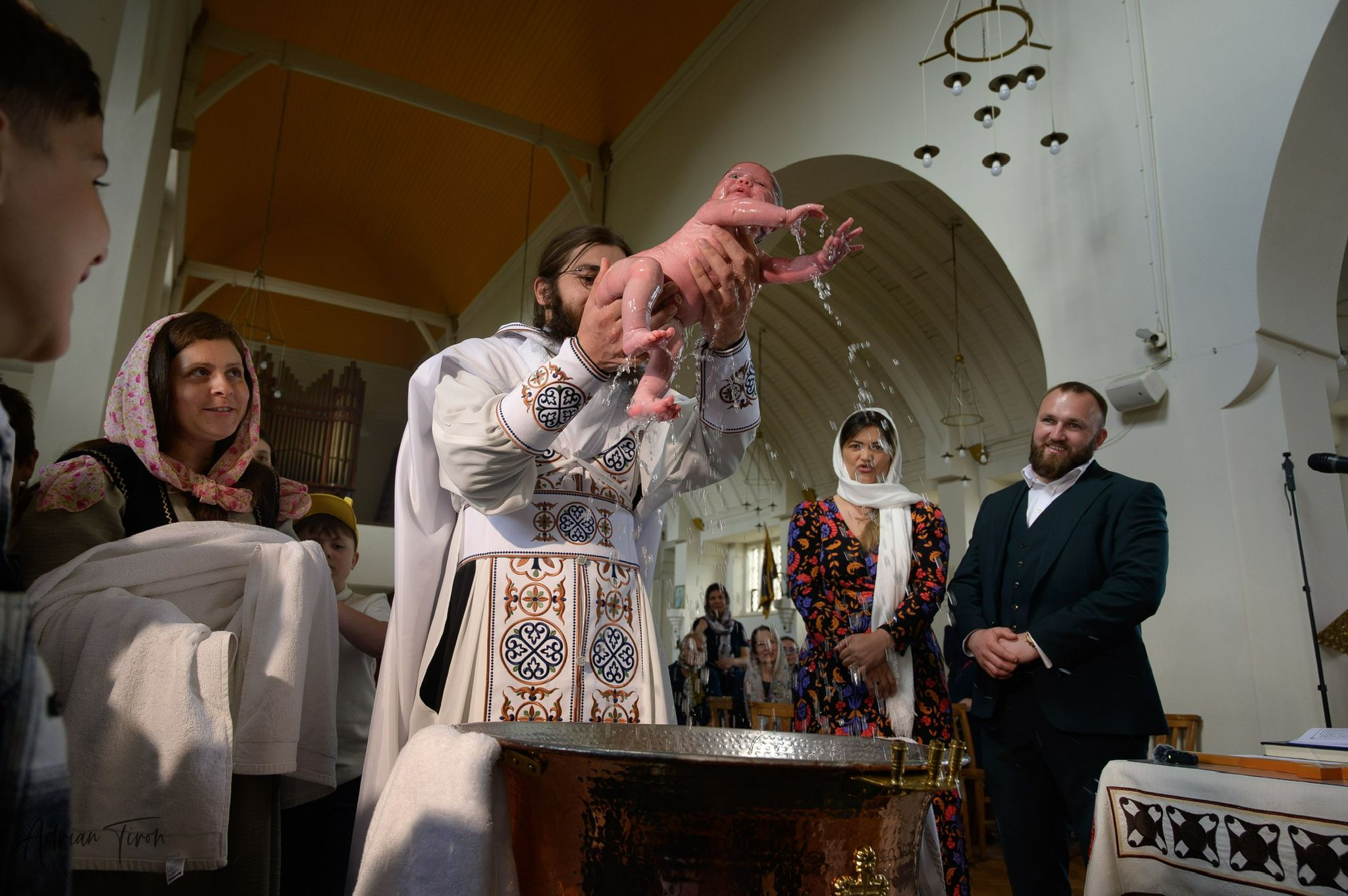
The parish is made up primarily of Romanians working in a wide variety of fields—from construction, transport, and flower packaging to finance and banking, healthcare, and their own businesses.
“Families tend to be larger than they probably are in Romania: two or three children, or even more, most likely because of the opportunities available,” says the Bedford parish priest. “There, even if only one parent is working, they can afford to support the whole family.”
Like all priests serving in the diaspora, the parish priest in Bedford also has a full-time secular job. He works as a contract manager for a company providing residential fire protection solutions.
“I prepare quotations, purchase materials, manage the staff, and send invoices to the client. The annual contract I manage is worth around five million pounds. If I do not meet the target, I have to provide explanations. It is not easy, but glory to God for granting us health and the ability to work,” says the priest, who has two sons—Efrem, aged nine, and Sofronie, aged six.
Family and Church sow the seeds of faith
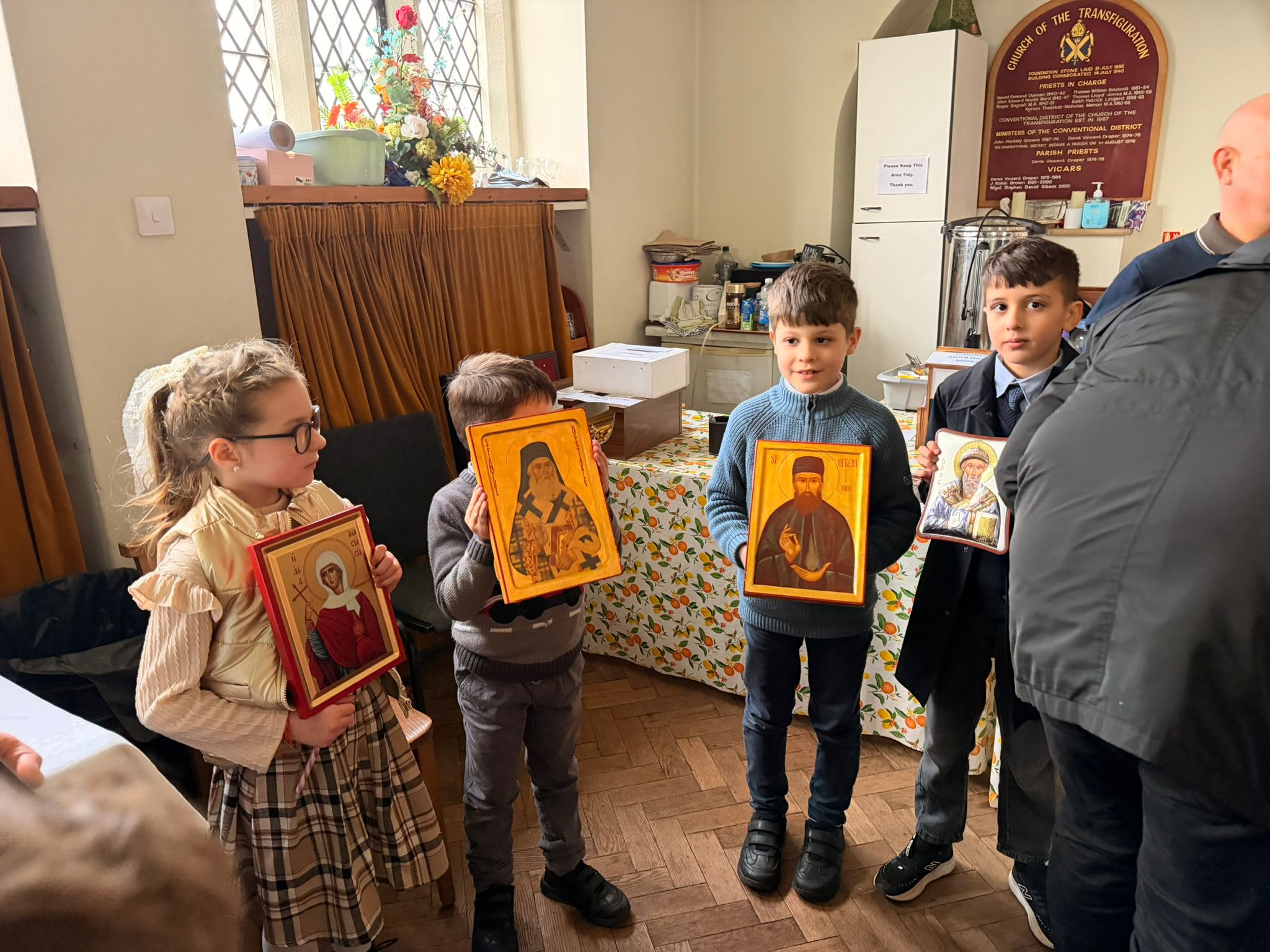
Father Radu Amariei, who comes from Neamț County, Romania, enjoyed going to church from an early age, something he attributes above all to his family, and especially to his grandfather.
“When I was little, he used to take me to the Holy and Divine Liturgy, and as we walked back along the village lane, I would sing Lord, have mercy, and everyone would say, ‘Look, there’s the little priest!'”
Another important influence in his formation was Archimandrite Iustin Pârvu, for whom he continues to have a deep devotion.
The Romanian parish priest in Bedford encourages young people to enjoy life, but to do so in a wholesome way.
“Young people today live in an entirely new world, where they can very easily be led astray and drawn into different circles of influence. That is why they need to be careful about the friends they choose. But if they have Christ in their lives and in their hearts, if they receive the Holy Mysteries, then God also shows them the way and reveals the friends they truly need,” says Father Radu Amariei.
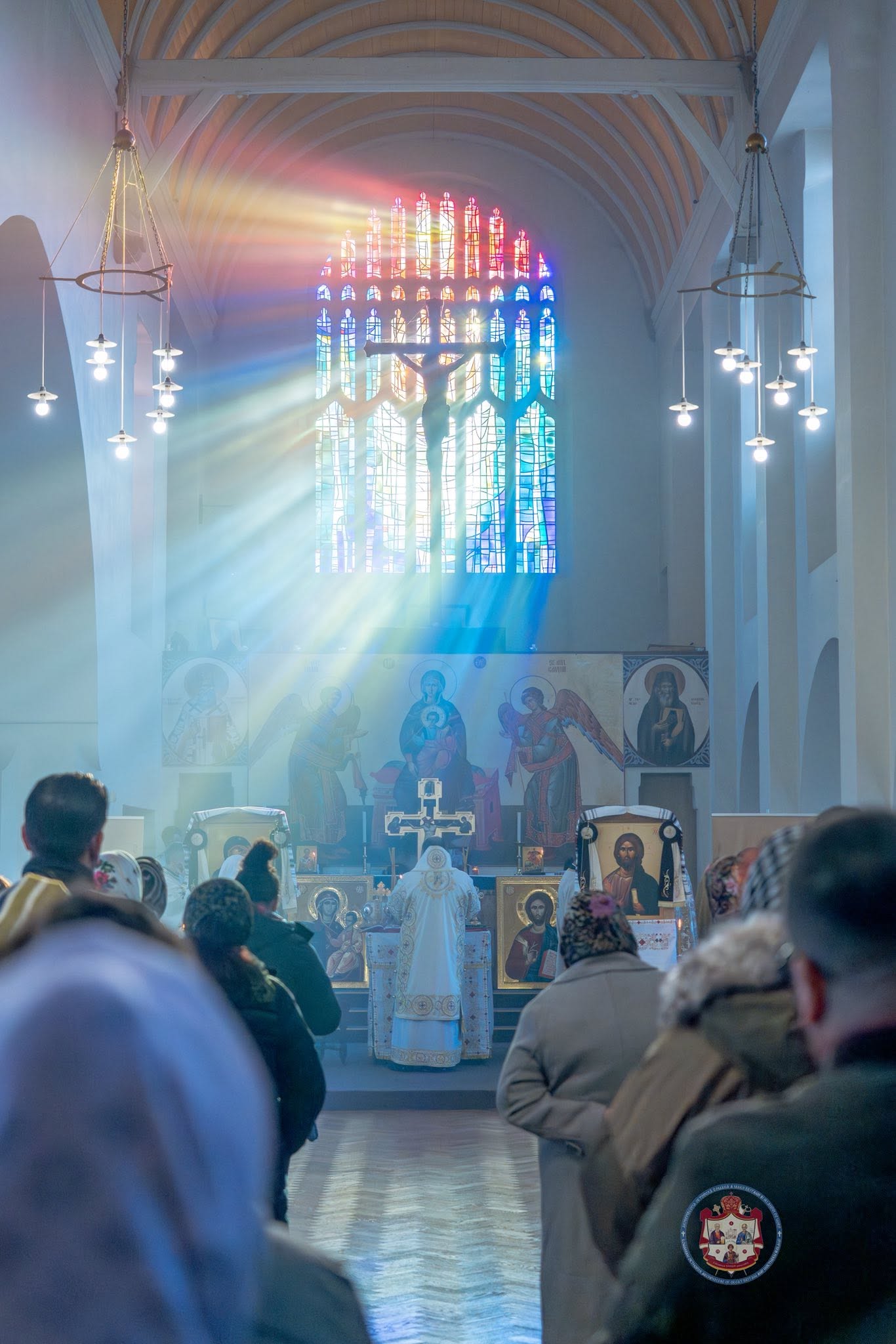
Photo credit: Romanian Orthodox Archdiocese of Great Britain and Northern Ireland (article opening)